
 EN
EN
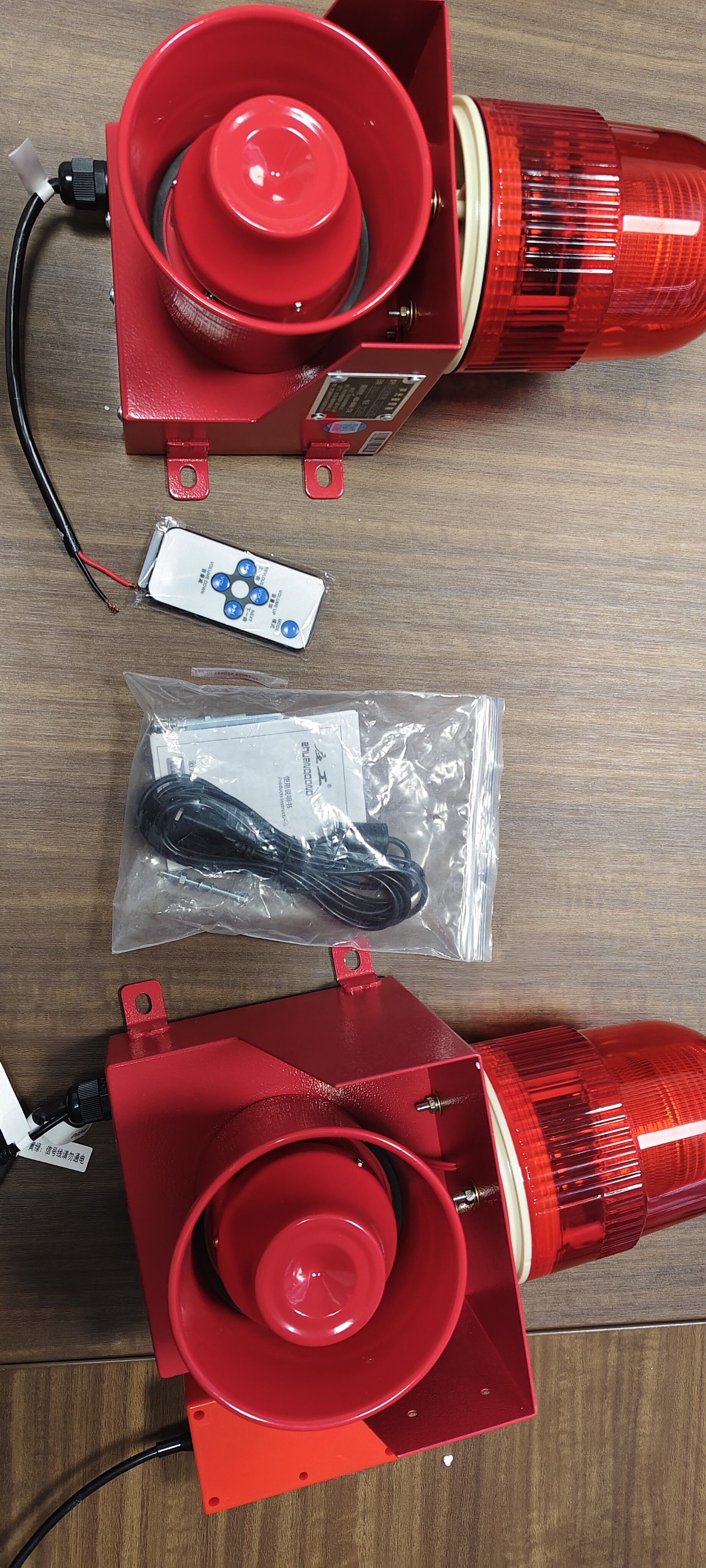
Construction sites face numerous security challenges that can result in significant financial losses, project delays, and safety hazards. Equipment theft, unauthorized access, and vandalism are common issues that plague construction projects worldwide. Implementing a robust security system with a construction site alarm has become essential for protecting valuable assets and maintaining project schedules. Modern alarm systems provide comprehensive monitoring capabilities that extend far beyond traditional security measures, offering real-time alerts and deterrent features specifically designed for challenging construction environments.

Understanding Construction Site Security Vulnerabilities
Common Security Threats at Construction Sites
Construction sites present unique security challenges due to their temporary nature, remote locations, and valuable equipment concentration. Theft of construction materials and tools represents one of the most significant threats, with annual losses reaching billions of dollars across the industry. Heavy machinery, copper wiring, and specialized tools are particularly attractive targets for criminals due to their high resale value and difficulty in tracking.
Unauthorized access poses another critical concern, as intruders may cause property damage, create safety hazards, or engage in vandalism that disrupts construction schedules. Trespassing incidents can lead to liability issues if injuries occur on-site, making access control a paramount concern for construction managers. Additionally, sites often contain hazardous materials or dangerous equipment that could pose serious risks to unauthorized individuals.
Financial Impact of Security Breaches
The financial consequences of inadequate construction site security extend well beyond the immediate cost of stolen items or damaged property. Project delays resulting from security incidents can trigger penalty clauses in contracts, increase labor costs, and strain relationships with clients and stakeholders. Insurance premiums may also increase following security breaches, adding long-term financial burden to construction companies.
Replacement costs for stolen equipment often exceed the original purchase price due to urgent procurement needs and potential specification changes. Lost productivity during security investigations and site remediation can significantly impact project timelines and profitability. These cascading effects demonstrate why proactive security measures, including comprehensive alarm systems, represent sound financial investments rather than unnecessary expenses.
Advanced Features of Modern Construction Site Alarms
Weatherproof and Durable Design
Industrial-grade construction site alarms must withstand extreme weather conditions, dust, moisture, and physical impacts common in construction environments. High-quality systems feature IP67 waterproof ratings that ensure reliable operation during heavy rain, snow, or humid conditions. Robust housing materials and protective enclosures prevent damage from debris, vibrations, and accidental impacts that frequently occur on active construction sites.
Temperature resistance capabilities allow these systems to function effectively across wide temperature ranges, from freezing winter conditions to extreme summer heat. Corrosion-resistant components ensure long-term reliability in environments with high humidity, salt air, or chemical exposure. This durability reduces maintenance requirements and provides consistent security coverage throughout project lifecycles, regardless of environmental challenges.
High-Decibel Audio and Visual Alerts
Effective construction site alarm systems incorporate powerful audio components capable of producing sound levels exceeding 120 decibels to ensure alerts are heard over construction noise and across large distances. Programmable voice announcements provide clear warnings and instructions, potentially deterring intruders while alerting security personnel to specific threat types. Multiple tone options allow customization based on different security scenarios or emergency situations.
Integrated strobe lights and visual indicators enhance alarm effectiveness during nighttime operations or in noisy environments where audio alerts might be less effective. High-intensity LED strobes provide bright, attention-grabbing signals visible from significant distances, even in daylight conditions. Synchronized audio-visual alerts create unmistakable warning signals that maximize deterrent effects while ensuring rapid response from security teams or law enforcement.
Strategic Placement and Installation Considerations
Optimal Positioning for Maximum Coverage
Strategic alarm placement requires careful analysis of site layouts, access points, and high-value asset locations to ensure comprehensive security coverage. Entry points, equipment storage areas, and material stockpiles typically require priority protection with multiple overlapping detection zones. Elevated mounting positions provide broader coverage areas while reducing vulnerability to tampering or accidental damage from construction activities.
Wireless connectivity options eliminate complex wiring requirements that could interfere with construction operations or become damaged during excavation and heavy equipment movement. Solar-powered systems offer sustainable operation in remote locations without reliable electrical infrastructure. Battery backup capabilities ensure continuous operation during power outages or electrical system maintenance, maintaining security coverage when sites are most vulnerable.
Integration with Existing Security Infrastructure
Modern construction site alarm systems can integrate seamlessly with existing security cameras, access control systems, and central monitoring stations to create comprehensive security networks. This integration enables coordinated responses where alarm activation triggers automatic camera recording, lighting activation, and notification to security personnel or law enforcement agencies. Centralized monitoring capabilities allow security teams to manage multiple construction sites from single locations, improving efficiency and response times.
Mobile connectivity features enable real-time notifications to project managers, security supervisors, and key personnel regardless of their location. Cloud-based monitoring platforms provide detailed event logs, system status reports, and maintenance alerts that help optimize security operations and demonstrate due diligence for insurance purposes. These advanced integration capabilities transform standalone alarms into components of sophisticated security ecosystems.
Cost-Benefit Analysis and ROI Considerations
Initial Investment versus Long-Term Savings
While construction site alarm systems require upfront investment, the potential savings from prevented theft, reduced insurance premiums, and avoided project delays typically provide strong return on investment within the first year of operation. Equipment theft prevention alone can justify system costs, particularly for sites containing high-value machinery or materials. The deterrent effect of visible security systems often prevents multiple incidents, multiplying the protective value of the initial investment.
Reduced security guard requirements can provide ongoing operational savings, as automated alarm systems provide continuous monitoring capabilities that would require multiple personnel shifts to match. Lower insurance premiums resulting from improved security measures can offset system costs over time while providing enhanced protection. Project completion bonuses and avoided delay penalties contribute additional financial benefits that strengthen the business case for comprehensive security investments.
Scalability and Future-Proofing
Modular construction site alarm systems allow gradual expansion as projects grow or security requirements evolve, enabling companies to scale investments according to specific needs and budgets. Standardized components and protocols ensure compatibility across different sites and project phases, reducing training requirements and maintenance complexity. Future technology upgrades and feature enhancements can often be implemented through software updates rather than complete system replacements.
Multi-site management capabilities enable construction companies to leverage investments across entire project portfolios, improving efficiency and reducing per-site costs. Reusable components and portable mounting systems allow alarm equipment to be relocated between projects, maximizing asset utilization and extending investment lifecycles. This scalability ensures that security investments continue providing value throughout changing business requirements and expanding operations.
Regulatory Compliance and Legal Considerations
Industry Standards and Requirements
Construction site security systems must comply with various industry standards and regulatory requirements that govern workplace safety, environmental protection, and data privacy. Occupational safety regulations often mandate specific security measures for sites containing hazardous materials or dangerous equipment. Environmental compliance may require monitoring capabilities that track unauthorized access to sensitive areas or contaminated zones.
Local zoning laws and permit requirements may specify noise levels, lighting restrictions, and notification procedures that affect alarm system design and operation. Understanding these regulatory frameworks ensures that security investments support compliance objectives while avoiding potential fines or project delays. Professional installation and certification services help ensure that systems meet all applicable standards and requirements.
Liability Protection and Documentation
Comprehensive alarm systems provide valuable documentation of security incidents and response procedures that can protect companies from liability claims and insurance disputes. Detailed event logs and audit trails demonstrate due diligence in protecting workers, visitors, and community members from construction site hazards. This documentation becomes particularly important in legal proceedings related to accidents, theft, or property damage claims.
Privacy considerations for alarm systems with recording capabilities require careful attention to local laws and regulations governing surveillance activities. Proper signage, data storage procedures, and access controls help ensure compliance with privacy requirements while maintaining security effectiveness. Legal consultation during system design and implementation phases helps identify potential issues and establish appropriate policies and procedures.
FAQ
What makes construction site alarms different from standard security systems
Construction site alarms are specifically engineered to withstand harsh environmental conditions including extreme weather, dust, vibrations, and potential physical impacts that standard security systems cannot handle. They feature industrial-grade components with higher IP ratings for water and dust protection, reinforced housings, and extended temperature operating ranges. Additionally, these systems are designed for temporary installations with wireless connectivity, battery backup, and portable mounting options that accommodate the dynamic nature of construction environments.
How loud should a construction site alarm be to be effective
Effective construction site alarms should produce sound levels of at least 100-120 decibels to overcome ambient construction noise and ensure alerts are heard across large sites. The optimal volume depends on site size, surrounding noise levels, and local noise ordinances. Many systems offer adjustable volume settings and programmable activation schedules to balance security effectiveness with community relations, allowing louder settings during work hours and reduced volumes during sensitive periods.
Can construction site alarms integrate with mobile devices and remote monitoring
Modern construction site alarms offer extensive mobile integration capabilities including real-time push notifications, SMS alerts, and dedicated mobile applications that allow remote monitoring and system control. Cloud-based platforms enable project managers and security personnel to receive instant notifications, view system status, and manage multiple sites from smartphones or tablets. These systems can also integrate with existing fleet management, project management, and security monitoring platforms for seamless operational coordination.
What is the typical lifespan and maintenance requirements for construction site alarm systems
High-quality construction site alarm systems typically last 5-10 years with proper maintenance, though harsh environmental conditions may require more frequent component replacement or system updates. Regular maintenance includes battery replacement, sensor cleaning, weather seal inspection, and software updates to ensure optimal performance. Many systems feature self-diagnostic capabilities that alert users to maintenance needs, while professional service contracts can provide preventive maintenance and rapid repair services to minimize downtime and ensure continuous security coverage.
Table of Contents
- Understanding Construction Site Security Vulnerabilities
- Advanced Features of Modern Construction Site Alarms
- Strategic Placement and Installation Considerations
- Cost-Benefit Analysis and ROI Considerations
- Regulatory Compliance and Legal Considerations
-
FAQ
- What makes construction site alarms different from standard security systems
- How loud should a construction site alarm be to be effective
- Can construction site alarms integrate with mobile devices and remote monitoring
- What is the typical lifespan and maintenance requirements for construction site alarm systems