
 EN
EN
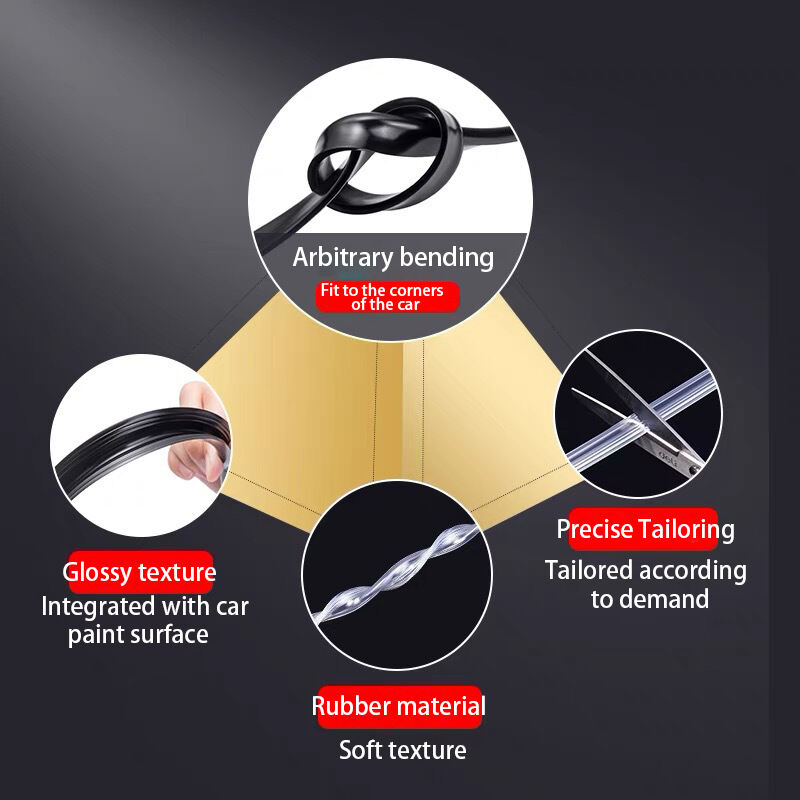
Modern buildings rely heavily on effective weatherproofing systems to maintain energy efficiency, comfort, and structural integrity. Among the most critical components of these systems are sealing strips, which serve as the primary barrier against air infiltration, water penetration, and thermal transfer around doors and windows. These specialized rubber or polymer components create airtight seals that prevent energy loss, reduce utility costs, and protect interior spaces from external elements. The importance of proper sealing cannot be overstated in today's construction industry, where building codes increasingly emphasize energy conservation and environmental sustainability.
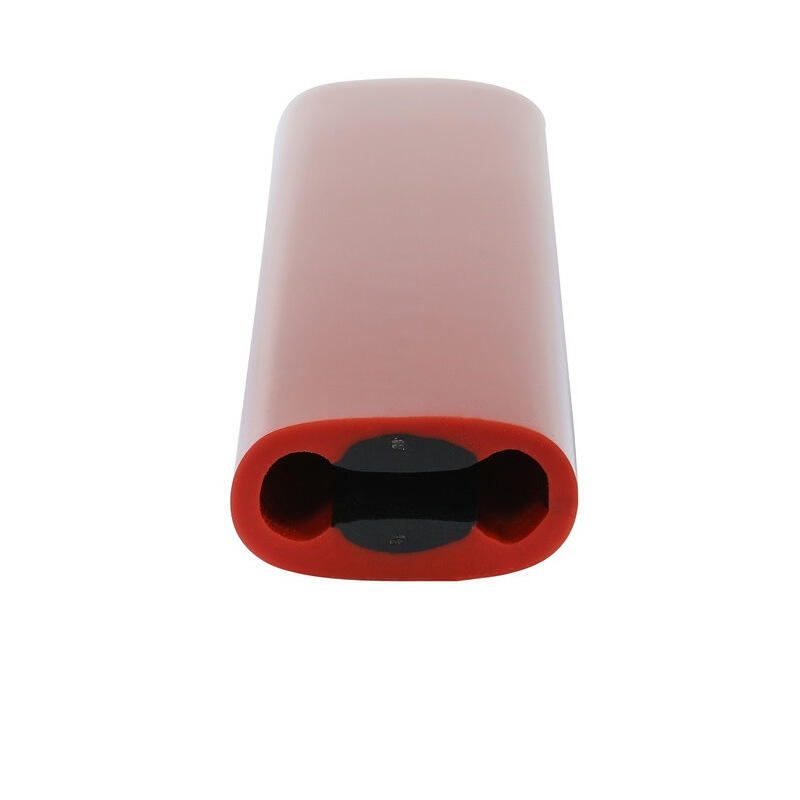
Professional contractors and building managers understand that inadequate sealing leads to significant operational challenges, including increased HVAC loads, moisture intrusion, and accelerated structural deterioration. The selection and installation of appropriate sealing strips represents a critical investment in long-term building performance and occupant satisfaction.
Understanding Sealing Strip Technology and Materials
Composition and Material Properties
Contemporary sealing strips utilize advanced polymer compounds engineered to withstand extreme temperature fluctuations, UV radiation, and mechanical stress. EPDM rubber remains the gold standard for outdoor applications due to its exceptional weather resistance and longevity. These materials maintain flexibility across temperature ranges from -40°F to 300°F, ensuring consistent sealing performance throughout seasonal variations.
Thermoplastic elastomers represent another category of sealing strip materials, offering superior chemical resistance and recyclability. These compounds exhibit excellent compression set resistance, meaning they maintain their original shape and sealing capacity even after prolonged compression. The molecular structure of these materials allows for precise manufacturing tolerances, resulting in consistent sealing performance across large installations.
Design Variations and Applications
Sealing strips are manufactured in numerous profiles to accommodate specific architectural requirements and installation conditions. Hollow bulb seals provide excellent compression characteristics for irregular surfaces, while dense rubber strips offer superior durability for high-traffic applications. The geometric design of each profile directly influences sealing effectiveness, compression force requirements, and installation methodology.
Industrial applications often require specialized sealing strips with enhanced chemical resistance or extreme temperature capabilities. Food processing facilities, pharmaceutical manufacturing, and chemical plants utilize sealing strips formulated to meet FDA, USP, or other regulatory standards. These specialized applications demonstrate the versatility and critical importance of proper sealing strip selection in various industries.
Energy Efficiency Benefits of Proper Sealing
Thermal Performance and Insulation Value
Properly installed sealing strips significantly enhance the thermal performance of building envelopes by eliminating air leakage pathways. Research conducted by the Department of Energy indicates that air infiltration accounts for 25-40% of total heating and cooling energy consumption in commercial buildings. Effective sealing reduces this energy waste by creating continuous thermal barriers around fenestration systems.
The thermal bridging effect, where conductive materials create pathways for heat transfer, can be substantially reduced through strategic sealing strips installation. Advanced sealing systems incorporate thermal breaks that interrupt conductive heat transfer while maintaining structural integrity. This dual functionality makes sealing strips essential components in high-performance building design.
HVAC System Optimization
Mechanical systems operate more efficiently when building envelopes maintain consistent pressure differentials and minimize uncontrolled air exchange. Sealing strips enable HVAC systems to maintain design conditions with reduced energy input, extending equipment lifespan and reducing maintenance requirements. The pressure stability achieved through proper sealing also improves indoor air quality by preventing infiltration of outdoor pollutants and allergens.
Variable air volume systems particularly benefit from effective sealing because they rely on precise pressure control to operate efficiently. Uncontrolled air leakage disrupts these systems, causing hunting behavior, increased energy consumption, and poor comfort conditions. Professional sealing strip installation ensures these advanced HVAC systems can achieve their design efficiency levels.
Moisture Protection and Building Durability
Water Infiltration Prevention
Moisture intrusion represents one of the most significant threats to building longevity and occupant health. Sealing strips create primary weather barriers that prevent water penetration during wind-driven rain events. The design of these systems must account for hydrostatic pressure, capillary action, and vapor diffusion to provide comprehensive moisture protection.
Advanced sealing strip systems incorporate drainage channels and weep holes to manage any moisture that bypasses the primary seal. This defense-in-depth approach ensures that even minor seal degradation does not result in catastrophic moisture intrusion. The integration of sealing strips with flashing systems and vapor barriers creates robust moisture management strategies that protect building investments.
Structural Protection Benefits
Freeze-thaw cycling accelerates structural deterioration when moisture penetrates building assemblies. Sealing strips prevent water infiltration that could freeze within wall cavities, expansion joints, or fenestration frames. This protection extends the service life of structural components and reduces maintenance costs over the building lifecycle.
Corrosion protection represents another critical benefit of effective sealing. Metal door and window frames exposed to moisture develop corrosion that compromises structural integrity and aesthetic appearance. Quality sealing strips create barriers that prevent moisture contact with susceptible materials, preserving both function and appearance of building components.
Installation Best Practices and Quality Assurance
Surface Preparation and Adhesion
Successful sealing strip installation begins with thorough surface preparation to ensure optimal adhesion and longevity. Surfaces must be clean, dry, and free from contaminants that could interfere with adhesive bonding. Temperature and humidity conditions during installation significantly impact adhesive curing and long-term performance.
Primer application may be necessary for certain substrate materials or environmental conditions. The compatibility between sealing strip materials, adhesives, and substrate materials must be verified to prevent premature failure. Professional installers understand these material interactions and select appropriate products for specific applications.
Quality Control and Performance Testing
Installation quality directly impacts sealing strip performance and building energy efficiency. Visual inspection techniques identify common installation defects such as gaps, overlaps, or compression irregularities. More advanced testing methods include smoke testing, thermographic analysis, and pressure differential measurements to verify sealing effectiveness.
Long-term performance monitoring helps identify maintenance needs before seal failure occurs. Regular inspection schedules should account for material aging, environmental exposure, and mechanical wear patterns. Proactive maintenance programs extend sealing strip service life and maintain building performance standards throughout the operational period.
Economic Considerations and Return on Investment
Cost-Benefit Analysis
The initial investment in quality sealing strips generates substantial returns through reduced energy costs, extended equipment life, and decreased maintenance requirements. Payback periods typically range from 2-5 years depending on climate conditions, energy costs, and building usage patterns. These favorable economics make sealing strip upgrades attractive investments for building owners.
Utility rebate programs often provide financial incentives for energy efficiency improvements that include sealing strip installation. These programs recognize the significant energy savings potential and may cover 20-50% of installation costs. The combination of direct energy savings and utility incentives substantially improves project economics.
Lifecycle Cost Considerations
Premium sealing strips with extended warranties may have higher initial costs but provide superior long-term value through reduced replacement frequency and maintained performance levels. The total cost of ownership includes material costs, installation labor, maintenance requirements, and energy savings over the product lifecycle.
Building value enhancement represents an additional economic benefit of effective sealing systems. Properties with demonstrated energy efficiency command higher market values and attract quality tenants. Professional sealing strip installation contributes to green building certifications that further enhance property marketability.
FAQ
How often should sealing strips be replaced in commercial buildings
Sealing strip replacement frequency depends on material type, environmental exposure, and usage patterns. High-quality EPDM sealing strips typically last 15-20 years in moderate climates, while harsh environments may require replacement every 8-12 years. Regular inspection every 2-3 years helps identify degradation before performance is compromised. Facilities with high door usage or extreme weather exposure may need more frequent replacement cycles.
What are the signs that sealing strips need immediate replacement
Visual indicators of sealing strip failure include cracking, hardening, permanent deformation, or separation from mounting surfaces. Functional symptoms include increased energy costs, drafts, moisture infiltration, or difficulty maintaining interior temperature and humidity levels. Professional assessment using smoke testing or thermal imaging can identify seal failures before they become visually apparent or cause significant energy waste.
Can sealing strips be installed over existing weatherstripping
Installing new sealing strips over existing weatherstripping is generally not recommended as it can create irregular surfaces, prevent proper compression, and trap moisture. Complete removal of old weatherstripping ensures optimal adhesion and performance of new sealing strips. This approach also allows for inspection of substrate conditions and necessary repairs before new installation.
What environmental factors most impact sealing strip performance
UV radiation, temperature extremes, and ozone exposure represent the primary environmental factors affecting sealing strip longevity. Coastal environments with salt air can accelerate degradation of certain materials. Industrial areas with chemical exposure or high pollution levels may require specialized sealing strip compounds. Proper material selection based on specific environmental conditions ensures optimal performance and service life.