
 EN
EN
Modern industrial machinery and automated systems require sophisticated safety mechanisms to protect both operators and equipment from potential hazards. Among the most critical safety components, safe edge contact systems have emerged as fundamental protective devices across numerous applications. These intelligent sensing solutions provide immediate response to physical contact, preventing accidents before they can cause harm or damage. The integration of safe edge contact technology represents a significant advancement in mechanical safety protocols, offering reliable protection in environments where human interaction with machinery is inevitable.
Industrial safety regulations continue to evolve, demanding higher standards for protective equipment in mechanical systems. The implementation of safe edge contact devices has become increasingly mandatory across various sectors, from manufacturing plants to transportation systems. These sensors act as the first line of defense against crushing, pinching, and collision incidents that could result in serious injuries or equipment failure. Understanding the technical specifications and applications of safe edge contact systems is essential for engineers, safety managers, and facility operators who prioritize workplace protection.
Understanding Safe Edge Contact Technology
Fundamental Operating Principles
Safe edge contact sensors operate on sophisticated pressure-sensitive mechanisms that detect even minimal physical contact along their detection surfaces. The technology typically employs resistive or conductive sensing elements embedded within flexible protective housings, allowing for immediate signal transmission when contact occurs. These systems can differentiate between intentional operational contact and potentially dangerous situations, triggering appropriate safety responses based on predetermined parameters. The sensitivity levels can be calibrated to accommodate specific operational requirements while maintaining optimal safety performance.
The electrical circuits within safe edge contact systems utilize normally open or normally closed configurations, depending on the specific application requirements. When contact is detected, the sensor immediately transmits a signal to connected control systems, initiating emergency stop procedures or other protective actions. Advanced models incorporate dual-channel safety architectures that provide redundant protection and enhanced reliability. This dual-channel approach ensures that safety functions remain operational even if one channel experiences a malfunction, significantly reducing the risk of safety system failures.
Construction and Design Features
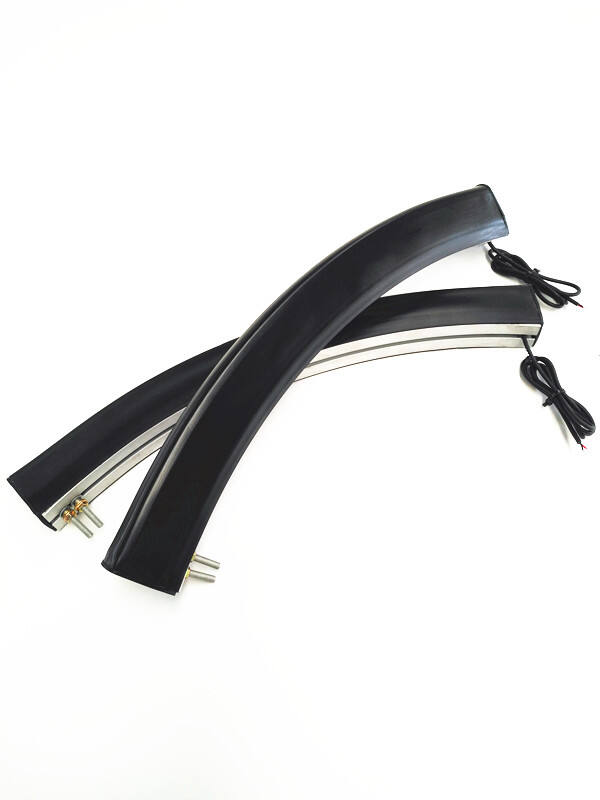
Modern safe edge contact devices feature robust construction designed to withstand harsh industrial environments while maintaining precise sensitivity characteristics. The outer protective housing typically consists of durable rubber or polymer materials that resist chemical exposure, temperature variations, and mechanical wear. Internal sensing elements are carefully sealed to prevent moisture ingress and contamination that could compromise operational reliability. The flexible design allows for installation on curved or irregular surfaces, adapting to various machinery configurations without compromising detection capabilities.
The installation process for safe edge contact systems requires careful consideration of mounting methods and environmental factors. Proper securing mechanisms ensure that the sensors remain in position throughout normal operational vibrations and mechanical stresses. Cable management systems protect the electrical connections from damage while allowing for necessary flexibility during equipment movement. Quality safe edge contact installations incorporate strain relief features and appropriate cable routing to prevent premature failure and maintain long-term operational integrity.
Critical Applications in Industrial Equipment
Manufacturing and Production Lines
In manufacturing environments, safe edge contact systems provide essential protection for automated production lines where workers interact closely with moving machinery. Press brakes, stamping equipment, and automated assembly systems rely on these sensors to prevent crushing injuries when operators load materials or perform maintenance tasks. The immediate response capability of safe edge contact devices ensures that potentially dangerous operations cease instantly upon detecting human presence in hazardous zones. This rapid response time, typically measured in milliseconds, can mean the difference between a minor incident and a serious workplace injury.
Conveyor systems throughout manufacturing facilities utilize safe edge contact technology to protect personnel from entanglement or crushing hazards. These installations are particularly critical at transfer points, loading stations, and maintenance access areas where workers must approach moving equipment. The sensors integrate seamlessly with existing control systems, allowing for coordinated safety shutdowns that protect both personnel and production equipment. Advanced installations can differentiate between planned maintenance activities and emergency situations, providing appropriate responses for each scenario.
Transportation and Material Handling
Elevator systems represent one of the most critical applications for safe edge contact technology, where door systems must detect obstructions to prevent passenger injury. The sensors installed along door edges provide comprehensive protection against closing doors, ensuring that passengers and objects are not trapped or crushed. These systems must operate reliably under continuous use while maintaining precise sensitivity to detect even small objects or body parts. The integration with elevator control systems enables smooth operation while prioritizing passenger safety at all times.
Automated guided vehicles and robotic material handling systems incorporate safe edge contact sensors to prevent collisions with personnel, equipment, and infrastructure. These mobile applications require sensors that can withstand constant movement, vibration, and potential impact while maintaining consistent performance. The wireless communication capabilities of modern safe edge contact systems allow for real-time monitoring and control of mobile equipment safety systems. This technology enables the safe operation of autonomous vehicles in shared workspaces where human workers and automated systems must coexist.
Safety Standards and Compliance Requirements
International Safety Regulations
Global safety standards organizations have established comprehensive requirements for safe edge contact systems across various industries and applications. The International Organization for Standardization provides detailed specifications for sensor performance, testing procedures, and installation requirements that ensure consistent safety levels worldwide. These standards address critical factors such as response times, sensitivity levels, and environmental resistance that directly impact the effectiveness of safe edge contact systems. Compliance with these international standards is essential for equipment manufacturers and facility operators who must demonstrate adherence to recognized safety practices.
Regional safety authorities have developed specific regulations that complement international standards while addressing local operational requirements and safety concerns. European safety directives mandate the use of safe edge contact systems in specific machinery categories, with detailed requirements for system architecture and performance validation. Similar regulations in North America and Asia Pacific regions establish minimum safety requirements for industrial equipment that could pose risks to personnel. Understanding these regulatory frameworks is crucial for organizations operating across multiple jurisdictions.
Testing and Certification Processes
Comprehensive testing protocols ensure that safe edge contact systems meet required performance standards before deployment in critical safety applications. These evaluations include sensitivity testing, environmental resistance validation, and long-term reliability assessments under simulated operational conditions. Independent testing laboratories conduct rigorous evaluations that verify sensor response times, detection accuracy, and resistance to false triggering. The certification process provides documented evidence of compliance with applicable safety standards, supporting regulatory approval and insurance requirements.
Ongoing maintenance and periodic testing of installed safe edge contact systems ensure continued compliance with safety requirements throughout the equipment lifecycle. Regular calibration procedures verify that sensitivity levels remain within specified parameters, while functional testing confirms proper integration with control systems. Documentation of testing activities and maintenance records supports regulatory compliance and provides evidence of due diligence in safety management. These records are essential for accident investigation, insurance claims, and regulatory audits that may occur during normal business operations.
Technical Advantages and Performance Benefits
Enhanced Sensitivity and Precision
Advanced safe edge contact technologies offer superior sensitivity characteristics that can detect minimal contact forces while avoiding false triggers from environmental factors. Modern sensor designs incorporate sophisticated signal processing algorithms that distinguish between legitimate safety events and nuisance activations caused by vibration, air currents, or electromagnetic interference. This enhanced discrimination capability reduces unnecessary equipment shutdowns while maintaining optimal safety protection. The precision of these systems allows for fine-tuning of detection thresholds to match specific operational requirements without compromising safety performance.
The response characteristics of contemporary safe edge contact systems provide exceptionally fast detection and signal transmission capabilities. Advanced sensor technologies can achieve response times measured in single-digit milliseconds, enabling immediate protective action before dangerous contact forces can develop. This rapid response capability is particularly important in high-speed applications where conventional safety devices might not provide adequate protection. The combination of high sensitivity and fast response times makes modern safe edge contact systems suitable for the most demanding safety applications.
Integration with Smart Control Systems
Modern safe edge contact devices seamlessly integrate with intelligent control systems that provide advanced monitoring, diagnostics, and predictive maintenance capabilities. These smart systems continuously monitor sensor performance, detecting potential issues before they can compromise safety operations. Real-time status information enables proactive maintenance scheduling and helps prevent unexpected failures that could leave equipment unprotected. The diagnostic capabilities include detailed fault analysis, performance trending, and component health assessment that support optimal system reliability.
Network connectivity features enable safe edge contact systems to participate in comprehensive facility safety management programs that coordinate multiple safety devices across entire operations. This integration allows for centralized monitoring, coordinated emergency responses, and comprehensive safety data collection that supports continuous improvement initiatives. Advanced systems can automatically generate safety reports, track incident statistics, and provide detailed analysis of safety system performance. The data collected from networked safe edge contact systems contributes valuable insights for optimizing safety procedures and equipment design.
Installation Best Practices and Considerations
Site Assessment and Planning
Successful safe edge contact installations begin with comprehensive site assessments that identify all potential hazards, operational requirements, and environmental conditions. This evaluation process considers factors such as machinery movement patterns, personnel access requirements, maintenance needs, and emergency response procedures. The assessment includes detailed analysis of existing safety systems to ensure proper integration and avoid conflicts between different protective devices. Environmental factors such as temperature extremes, chemical exposure, and mechanical stresses are carefully evaluated to select appropriate sensor specifications.
Installation planning involves detailed consideration of sensor placement, mounting methods, and cable routing to optimize detection coverage while maintaining equipment accessibility. The design process includes analysis of potential blind spots, interference sources, and maintenance access requirements that could impact long-term system effectiveness. Proper planning addresses power supply requirements, communication interfaces, and integration with existing control systems. The installation plan should include detailed drawings, specifications, and testing procedures that ensure consistent implementation across multiple installations.
Commissioning and Validation Procedures
Comprehensive commissioning procedures verify that installed safe edge contact systems meet all performance requirements and operate correctly under actual operating conditions. This process includes systematic testing of sensitivity settings, response times, and integration with control systems using standardized test procedures. Functional testing verifies proper operation under various scenarios, including normal operation, emergency conditions, and potential failure modes. The commissioning process includes documentation of all test results and system parameters for future reference and regulatory compliance.
Validation activities extend beyond initial commissioning to include long-term monitoring and performance verification under actual operating conditions. This ongoing validation process helps identify potential issues, optimize system settings, and verify continued compliance with safety requirements. Regular validation activities include sensitivity testing, functional verification, and analysis of safety system performance data. The results of validation activities inform maintenance schedules, training programs, and continuous improvement initiatives that enhance overall safety system effectiveness.
Maintenance and Lifecycle Management
Preventive Maintenance Strategies
Effective maintenance programs for safe edge contact systems incorporate regular inspection schedules, cleaning procedures, and component replacement protocols that ensure continued reliable operation. These programs address both mechanical and electrical aspects of sensor systems, including housing integrity, cable condition, and electrical connections. Preventive maintenance activities include periodic sensitivity testing, calibration verification, and functional testing under simulated emergency conditions. The maintenance program should include detailed procedures, required tools, and safety precautions that ensure technician safety during maintenance activities.
Advanced maintenance strategies utilize predictive maintenance techniques that monitor system performance trends to identify potential issues before they can compromise safety operations. These approaches incorporate data analysis, performance trending, and component health monitoring that enable proactive maintenance scheduling. Predictive maintenance reduces unexpected failures while optimizing maintenance resources and minimizing equipment downtime. The integration of maintenance management systems with safe edge contact monitoring capabilities provides comprehensive lifecycle management that maximizes system reliability and safety performance.
Troubleshooting and Repair Procedures
Comprehensive troubleshooting procedures enable rapid diagnosis and resolution of safe edge contact system issues while maintaining safety integrity throughout the repair process. These procedures address common failure modes, diagnostic techniques, and repair methods that minimize equipment downtime. The troubleshooting process includes systematic analysis of symptoms, verification of system parameters, and isolation of faulty components. Detailed repair procedures ensure that corrective actions restore full system functionality while maintaining compliance with safety standards.
Emergency repair procedures provide guidance for addressing critical safe edge contact failures that could compromise personnel safety or equipment protection. These procedures prioritize immediate safety measures while facilitating rapid restoration of protective functions. Emergency response protocols include temporary safety measures, expedited repair procedures, and verification testing that ensures proper system operation before returning equipment to service. The documentation of repair activities supports regulatory compliance and provides valuable data for improving system reliability and maintenance procedures.
FAQ
What is the typical response time for safe edge contact systems?
Modern safe edge contact systems typically achieve response times ranging from 2 to 10 milliseconds, depending on the specific technology and application requirements. High-performance models designed for critical safety applications can respond in as little as 1-2 milliseconds, while standard industrial models typically respond within 5-10 milliseconds. The actual response time includes sensor detection, signal processing, and communication to control systems. These rapid response capabilities ensure that protective actions can be initiated before dangerous contact forces develop, providing effective protection for personnel and equipment.
How do safe edge contact sensors perform in harsh industrial environments?
Industrial-grade safe edge contact systems are specifically designed to operate reliably in challenging environments including extreme temperatures, chemical exposure, humidity, and mechanical stress. The protective housings typically feature IP65 or higher ingress protection ratings that prevent moisture and dust infiltration. Temperature ratings commonly extend from -40°C to +85°C, while chemical-resistant materials protect against exposure to oils, coolants, and cleaning agents. These robust construction features enable reliable operation in manufacturing, outdoor, and marine applications where environmental conditions could compromise lesser protective devices.
Can safe edge contact systems be integrated with existing machinery controls?
Safe edge contact systems are designed for seamless integration with virtually all types of machinery control systems including PLCs, safety controllers, and distributed control systems. The sensors typically provide multiple output options including relay contacts, analog signals, and digital communication protocols such as DeviceNet, Profibus, and Ethernet. Integration capabilities include compatibility with safety bus systems that enable coordinated safety functions across multiple devices. Modern systems often include diagnostic capabilities that provide detailed status information to control systems, supporting predictive maintenance and system optimization initiatives.
What factors determine the selection of appropriate safe edge contact specifications?
Proper selection of safe edge contact systems requires careful consideration of application-specific factors including required sensitivity levels, environmental conditions, mechanical constraints, and safety performance requirements. The selection process evaluates factors such as detection force requirements, response time specifications, mounting options, and cable management needs. Environmental considerations include temperature range, chemical compatibility, ingress protection requirements, and resistance to mechanical damage. Integration requirements such as output signal types, communication protocols, and diagnostic capabilities also influence the selection process. Consulting with application engineers and safety specialists ensures that selected systems meet all operational and regulatory requirements.
Table of Contents
- Understanding Safe Edge Contact Technology
- Critical Applications in Industrial Equipment
- Safety Standards and Compliance Requirements
- Technical Advantages and Performance Benefits
- Installation Best Practices and Considerations
- Maintenance and Lifecycle Management
-
FAQ
- What is the typical response time for safe edge contact systems?
- How do safe edge contact sensors perform in harsh industrial environments?
- Can safe edge contact systems be integrated with existing machinery controls?
- What factors determine the selection of appropriate safe edge contact specifications?