
 EN
EN
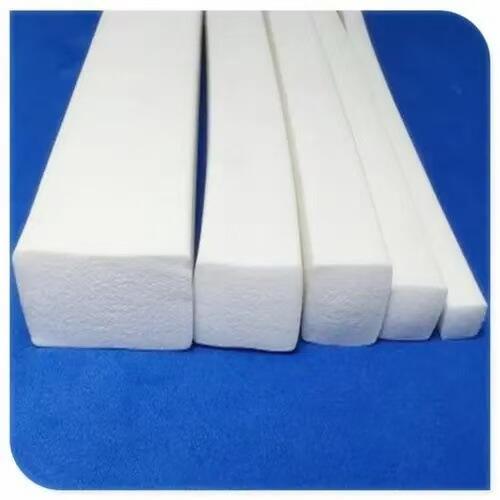
Creating safe edges in industrial and manufacturing environments represents a critical safety initiative that protects both equipment and personnel from potential hazards. The process of making safe edges involves implementing comprehensive protection systems that prevent accidents, reduce liability, and maintain operational efficiency. Understanding how to develop and implement safe edges requires knowledge of materials, installation techniques, and ongoing maintenance protocols that ensure long-term effectiveness.
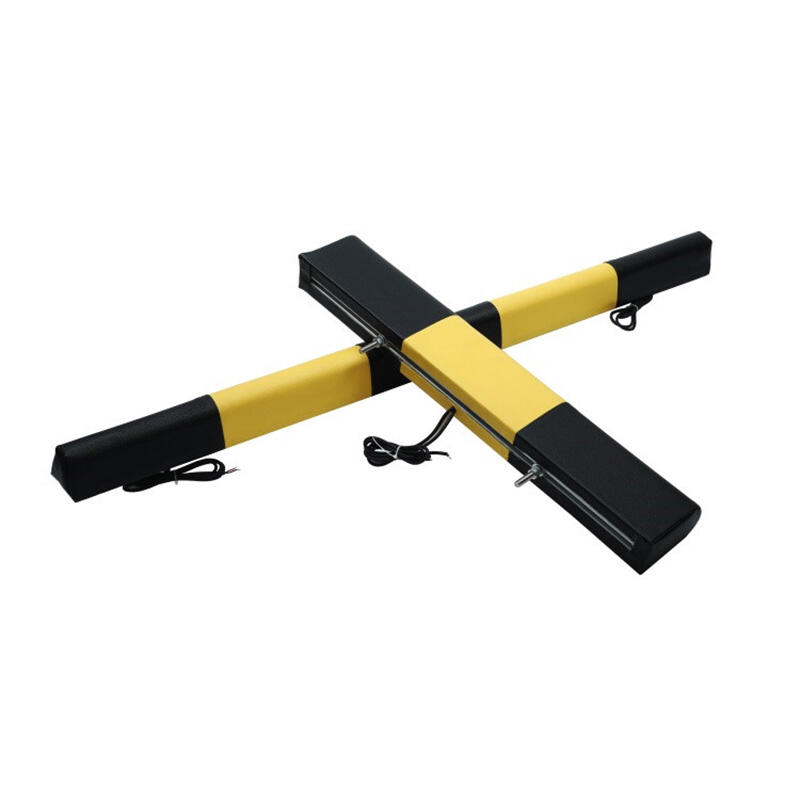
The manufacturing process of safe edges begins with careful material selection and engineering design that considers specific application requirements. Different industries demand varying levels of protection, durability, and environmental resistance when implementing safe edges throughout their facilities. Modern safe edges incorporate advanced materials and sensor technologies that provide both physical protection and intelligent monitoring capabilities for enhanced safety performance.
Material Selection and Engineering Considerations
Primary Material Components
The foundation of effective safe edges lies in selecting appropriate materials that can withstand the specific environmental and operational conditions of each application. High-quality PVC compounds offer excellent durability and flexibility, making them ideal for creating safe edges that maintain their protective properties over extended periods. These materials must resist chemical exposure, temperature variations, and mechanical stress while maintaining their structural integrity.
Advanced polymer compositions used in safe edges manufacturing incorporate additives that enhance UV resistance, flame retardancy, and anti-static properties. The molecular structure of these materials is engineered to provide optimal balance between flexibility and strength, ensuring that safe edges can absorb impact energy while returning to their original shape. Material testing protocols verify that these components meet industry standards for safety and performance.
Design Engineering Specifications
Engineering specifications for safe edges must account for load distribution, impact absorption, and mounting requirements that vary across different applications. The geometric profile of safe edges affects their ability to deflect forces and provide consistent protection along vulnerable surfaces. Computer-aided design tools help engineers optimize the cross-sectional shape and internal structure of safe edges for maximum effectiveness.
Dimensional tolerances and surface textures are precisely controlled during the design phase to ensure proper fit and function when safe edges are installed in their intended locations. The integration of sensor technologies requires additional design considerations, including wire routing channels and connection points that maintain the protective integrity of the overall system. These engineering parameters directly influence the manufacturing processes used to produce safe edges.
Manufacturing Process and Quality Control
Extrusion and Forming Techniques
The primary manufacturing method for producing safe edges involves precision extrusion processes that create consistent cross-sectional profiles with tight dimensional tolerances. Specialized extrusion dies are designed and manufactured to produce the complex geometries required for effective safe edges that incorporate both protective and sensor elements. Temperature and pressure controls during extrusion ensure optimal material properties and surface finish quality.
Secondary forming operations may be required to create curved sections or special configurations of safe edges that conform to specific installation requirements. Heat forming and mechanical shaping techniques allow manufacturers to produce custom profiles while maintaining the structural integrity and protective characteristics of the base material. Quality control measures throughout the forming process ensure that all safe edges meet specified dimensional and performance criteria.
Sensor Integration and Assembly
Modern safe edges often incorporate integrated sensor systems that provide real-time monitoring and feedback capabilities for enhanced safety performance. The assembly process involves precise placement of sensing elements within the protective housing, ensuring proper electrical connections while maintaining the physical integrity of the safe edges. Specialized assembly techniques prevent moisture intrusion and mechanical damage to sensitive electronic components.
Testing protocols verify that integrated sensors function correctly throughout the full range of operating conditions expected in typical safe edges applications. Environmental conditioning tests expose assembled units to temperature cycling, humidity exposure, and vibration conditions that simulate real-world operating environments. These comprehensive tests ensure that safe edges with integrated sensors maintain both protective and monitoring functions over their intended service life.
Installation and Mounting Systems
Mounting Hardware and Techniques
Proper installation of safe edges requires specialized mounting hardware and techniques that ensure secure attachment while allowing for thermal expansion and operational movement. Mounting systems must distribute loads evenly across the attachment points to prevent stress concentrations that could compromise the integrity of safe edges over time. Various mounting options accommodate different substrate materials and installation environments.
Installation procedures for safe edges include surface preparation requirements, fastener specifications, and alignment tolerances that affect overall system performance. Proper spacing and support intervals prevent sagging or deformation of safe edges under normal operating loads. Installation teams must be trained in the specific techniques required for each type of safe edges to ensure optimal performance and longevity.
Environmental Considerations
Environmental factors significantly impact the installation and performance of safe edges in various applications. Temperature extremes, chemical exposure, and moisture conditions must be considered when selecting and installing safe edges in specific locations. Proper sealing and drainage provisions prevent water accumulation and chemical attack that could degrade the protective properties of safe edges.
UV exposure and weathering effects require careful consideration when installing safe edges in outdoor applications. Special formulations and protective coatings may be necessary to maintain the appearance and functionality of safe edges exposed to direct sunlight and weather conditions. Regular inspection protocols help identify environmental damage before it compromises the protective effectiveness of installed safe edges.
Testing and Validation Procedures
Performance Testing Standards
Comprehensive testing protocols ensure that manufactured safe edges meet all relevant safety and performance standards before being approved for use in critical applications. Impact testing evaluates the energy absorption capabilities of safe edges under controlled conditions that simulate real-world collision scenarios. These tests verify that safe edges provide adequate protection while maintaining their structural integrity after repeated impacts.
Durability testing subjects safe edges to accelerated aging conditions that compress years of normal service into compressed timeframes. These tests evaluate the long-term performance characteristics of materials and construction methods used in safe edges manufacturing. Results from durability testing help manufacturers optimize material formulations and construction techniques for enhanced longevity.
Quality Assurance Protocols
Quality assurance programs for safe edges manufacturing include incoming material inspections, in-process monitoring, and final product validation that ensures consistent quality and performance. Statistical process control methods track critical parameters throughout the manufacturing process to identify and correct variations before they affect product quality. These protocols maintain the high standards required for safety-critical applications of safe edges.
Documentation and traceability systems track each batch of safe edges from raw materials through final inspection and delivery to customers. This comprehensive record-keeping enables rapid identification and resolution of any quality issues that might arise in the field. Continuous improvement processes use quality data to enhance manufacturing methods and product designs for safe edges.
Maintenance and Service Requirements
Inspection and Monitoring
Regular inspection and monitoring of installed safe edges ensures continued effectiveness and identifies potential maintenance needs before they compromise safety performance. Visual inspection protocols check for signs of wear, damage, or deterioration that could affect the protective capabilities of safe edges. Sensor-equipped systems provide continuous monitoring data that alerts maintenance personnel to developing issues.
Preventive maintenance schedules for safe edges include cleaning procedures, fastener inspections, and replacement of worn components that maintain optimal performance levels. Documentation of inspection findings and maintenance activities helps establish patterns and optimize maintenance intervals for specific applications of safe edges. Proper maintenance extends service life and ensures reliable protection throughout the operational period.
Replacement and Upgrade Considerations
End-of-service-life considerations for safe edges include replacement planning and disposal or recycling options that minimize environmental impact. Advances in materials and sensor technologies may warrant upgrading existing safe edges installations to take advantage of improved performance capabilities. Replacement planning ensures minimal disruption to operations while maintaining continuous protection.
Retrofit possibilities allow existing safe edges installations to be upgraded with enhanced sensor capabilities or improved materials without complete system replacement. These upgrade options provide cost-effective paths to improved safety performance while extending the useful life of existing infrastructure. Compatibility assessments ensure that retrofit components integrate properly with existing safe edges systems.
FAQ
What materials are commonly used in safe edges manufacturing?
Safe edges are typically manufactured using high-quality PVC compounds, advanced polymers, and specialized elastomers that provide durability, flexibility, and environmental resistance. These materials are selected based on specific application requirements including chemical compatibility, temperature range, and mechanical properties. Modern formulations often include additives for UV resistance, flame retardancy, and enhanced impact absorption to ensure long-term performance in demanding environments.
How long do safe edges typically last in industrial applications?
The service life of safe edges varies depending on environmental conditions, frequency of impact, and maintenance practices, but typically ranges from 5 to 15 years in industrial applications. Proper installation, regular maintenance, and appropriate material selection significantly influence longevity. Harsh chemical environments or extreme temperatures may reduce service life, while indoor applications with minimal exposure often exceed expected lifespans.
Can safe edges be customized for specific applications?
Yes, safe edges can be extensively customized to meet specific application requirements including unique profiles, colors, dimensions, and integrated sensor capabilities. Manufacturing processes allow for custom extrusion dies and forming techniques that create specialized geometries for particular installation needs. Customization options include various mounting configurations, sensor integration levels, and material formulations optimized for specific environmental conditions.
What maintenance is required for safe edges systems?
Safe edges require regular visual inspections, cleaning to remove debris and contaminants, periodic fastener checks, and replacement of damaged sections to maintain optimal performance. Sensor-equipped systems need additional electrical connection inspections and functional testing to ensure monitoring capabilities remain active. Preventive maintenance schedules should be established based on operating conditions and manufacturer recommendations to maximize service life and safety effectiveness.