
 EN
EN
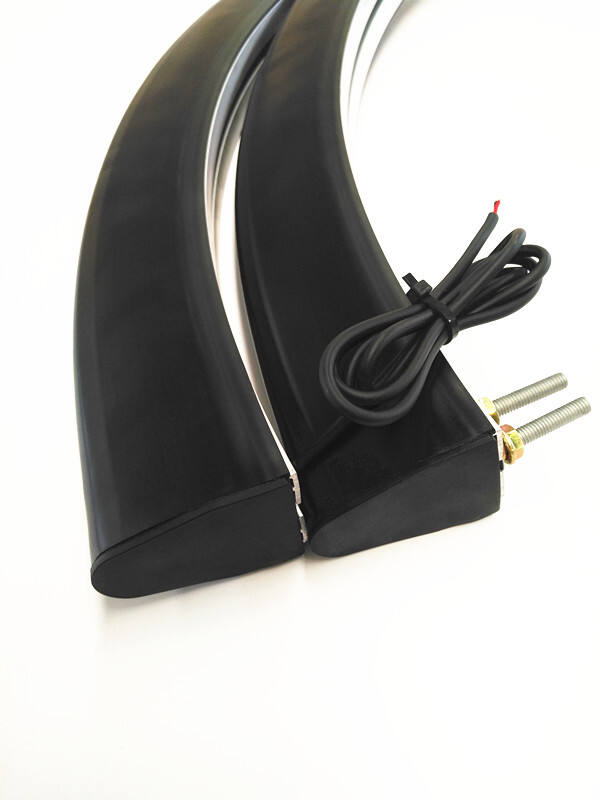
Industrial safety remains a paramount concern across manufacturing, automation, and material handling environments. When machinery operates in close proximity to personnel or valuable equipment, implementing robust protective measures becomes essential for preventing accidents and ensuring operational continuity. A safety edge switch serves as a critical component in modern safety systems, providing reliable collision detection and emergency stopping capabilities that protect both human operators and expensive machinery from potential harm.
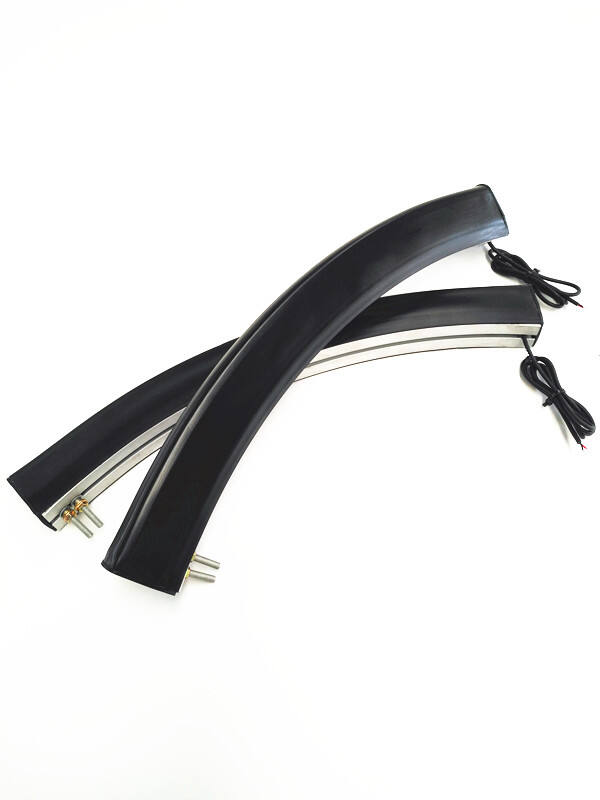
These sophisticated sensing devices have evolved significantly from their early mechanical predecessors, incorporating advanced technologies that deliver enhanced sensitivity, durability, and integration capabilities. Understanding the fundamental principles behind safety edge switch operation and their diverse applications across industries enables engineers and safety professionals to make informed decisions when designing protective systems for their specific operational requirements.
Understanding Safety Edge Switch Technology
Core Operating Principles
A safety edge switch functions as a pressure-sensitive safety device that detects physical contact or collision along its sensing edge. The internal mechanism typically consists of a flexible outer housing containing pneumatic chambers, electrical contacts, or fiber optic elements that respond to mechanical deformation. When an object applies pressure to the sensing edge, the internal switching mechanism activates, immediately triggering safety protocols such as emergency stops or direction reversals.
Modern safety edge switch designs incorporate redundant switching elements to ensure fail-safe operation even under demanding industrial conditions. These devices must maintain consistent sensitivity across their entire sensing length while providing reliable performance in environments characterized by temperature fluctuations, vibration, contamination, and frequent activation cycles. The switching response time typically ranges from milliseconds to a few seconds, depending on the specific technology employed and application requirements.
Technology Variations and Configurations
Different safety edge switch technologies offer distinct advantages for specific applications and environmental conditions. Pneumatic safety edges utilize compressed air chambers that close electrical contacts when pressure causes air displacement, providing excellent sensitivity and weather resistance. Electrical contact systems employ direct mechanical switching through internal conductors, offering simplicity and cost-effectiveness for controlled indoor environments.
Fiber optic safety edge switch variants use light transmission interruption to detect deformation, delivering superior resistance to electromagnetic interference and harsh chemical environments. Some advanced models incorporate multiple sensing technologies within a single housing, providing enhanced reliability through redundant detection mechanisms that ensure consistent performance even if one sensing element experiences degradation or failure.
Critical Application Considerations
Environmental Requirements Assessment
Selecting an appropriate safety edge switch requires thorough evaluation of the operational environment where the device will function. Temperature extremes significantly impact sensor performance, with some applications requiring operation in ranges from sub-zero conditions to elevated temperatures exceeding typical industrial standards. Humidity levels, chemical exposure, and potential contamination from oils, coolants, or abrasive particles must be carefully considered during the selection process.
Mechanical stress factors including vibration intensity, impact frequency, and mounting surface stability directly influence safety edge switch longevity and reliability. Applications involving frequent activation cycles demand robust construction and materials specifically engineered for extended service life. Understanding these environmental parameters enables proper specification of protective housing materials, sealing systems, and internal component selections that ensure optimal performance throughout the intended service period.
Integration with Existing Safety Systems
Effective safety edge switch implementation requires seamless integration with existing safety control architectures and emergency response protocols. The electrical interface specifications must be compatible with safety relay systems, programmable safety controllers, or distributed control systems already installed in the facility. Signal output characteristics, including voltage levels, current requirements, and communication protocols, must align with receiving equipment capabilities.
Response time coordination between the safety edge switch and downstream safety devices ensures optimal protective performance without introducing unnecessary delays or false activations. Proper system integration often requires consideration of fault monitoring capabilities, diagnostic feedback systems, and maintenance accessibility that facilitate ongoing system reliability verification and troubleshooting procedures.
Industry-Specific Applications
Material Handling and Conveyor Systems
Automated material handling environments present unique challenges for safety edge switch deployment, particularly in applications involving conveyor belts, sorting systems, and robotic picking stations. These systems require sensors capable of distinguishing between intended product contact and unintended personnel or equipment collision. The safety edge switch sensitivity must be calibrated to avoid false activations from normal material flow while maintaining reliable detection of potentially hazardous situations.
Conveyor safety applications often involve multiple safety edge switch installations along transfer points, loading stations, and personnel access areas. Coordinated activation sequences ensure that emergency stops occur in proper sequence to prevent material spillage or equipment damage while protecting personnel safety. The sensing edges must withstand continuous exposure to transported materials while maintaining consistent performance across varying load conditions and operating speeds.
Elevator and Vertical Transportation
Elevator door systems represent one of the most demanding applications for safety edge switch technology, requiring exceptional reliability and precise sensitivity calibration. These installations must detect both hard obstacles and soft contacts while avoiding interference from normal passenger movement and clothing contact. The safety edge switch must function consistently across thousands of daily activation cycles while maintaining compliance with stringent elevator safety codes and regulations.
Modern elevator safety edge switch systems often incorporate multiple sensing zones with variable sensitivity settings to accommodate different door sections and operational modes. Advanced models provide diagnostic feedback to building management systems, enabling predictive maintenance scheduling and performance monitoring that ensures continued safety compliance throughout the elevator service life. Integration with elevator control systems requires precise timing coordination to ensure smooth door operation while maintaining immediate response to safety activations.
Performance Specifications and Selection Criteria
Sensitivity and Response Parameters
Determining appropriate sensitivity levels for a safety edge switch application requires careful balance between protective effectiveness and operational reliability. Excessive sensitivity may result in frequent false activations that disrupt normal operations, while insufficient sensitivity could compromise safety protection. Most industrial applications require activation forces between 10 and 50 pounds per linear foot, though specific requirements vary based on the protected machinery and potential hazard severity.
Response time specifications must account for the complete safety system reaction sequence, including safety edge switch activation, signal transmission, safety controller processing, and final actuator response. Total system response times typically range from 50 milliseconds to several seconds, depending on the application requirements and safety category designations. Understanding the relationship between detection sensitivity, response time, and overall system performance ensures optimal safety protection without compromising operational efficiency.
Durability and Maintenance Requirements
Industrial safety edge switch applications demand robust construction capable of withstanding millions of activation cycles while maintaining consistent performance characteristics. Housing materials must resist environmental degradation from UV exposure, chemical contact, temperature cycling, and mechanical wear. Sealing systems must prevent moisture ingress and contamination while allowing necessary mechanical flexing during normal operation.
Maintenance accessibility and diagnostic capabilities significantly impact total cost of ownership for safety edge switch installations. Models featuring self-monitoring capabilities provide early warning of performance degradation, enabling proactive maintenance scheduling that prevents unexpected failures. Modular construction allows component replacement without complete system shutdown, minimizing operational disruptions while ensuring continued safety protection throughout the maintenance process.
Installation Best Practices
Mounting and Positioning Strategies
Proper safety edge switch installation begins with careful positioning to ensure comprehensive coverage of potential collision zones while avoiding interference with normal operational movements. The sensing edge must be positioned to detect contact before hazardous conditions develop, requiring understanding of machinery movement patterns, personnel access routes, and potential failure modes. Mounting hardware must provide secure attachment while allowing necessary flexibility during activation.
Installation procedures must account for thermal expansion, vibration effects, and potential mechanical stress that could affect safety edge switch performance over time. Proper cable routing and strain relief prevent damage from repeated flexing or environmental exposure. Electrical connections require appropriate protection from moisture, contamination, and electromagnetic interference that could compromise signal integrity or cause false activations.
System Testing and Commissioning
Comprehensive testing protocols ensure that safety edge switch installations function correctly across all anticipated operating conditions and scenarios. Initial commissioning tests verify proper sensitivity calibration, response timing, and integration with downstream safety systems. Testing should include verification of fail-safe operation under various fault conditions to ensure that system failures result in safe shutdown rather than loss of protection.
Ongoing testing procedures must be established to maintain safety edge switch performance throughout the operational life cycle. Regular functional testing verifies continued sensitivity and response characteristics while diagnostic monitoring identifies potential degradation before it affects safety performance. Documentation of testing results provides verification of safety compliance and supports maintenance planning decisions that ensure continued reliable operation.
Troubleshooting Common Issues
Performance Degradation Symptoms
Identifying early indicators of safety edge switch performance issues enables proactive maintenance that prevents safety system failures. Common symptoms include inconsistent activation sensitivity, delayed response times, false activations during normal operation, or complete failure to activate under test conditions. Environmental factors such as contamination buildup, moisture ingress, or mechanical wear often contribute to gradual performance degradation that requires systematic diagnosis and correction.
Electrical connectivity problems frequently manifest as intermittent operation or signal quality degradation that affects safety system reliability. Systematic troubleshooting procedures should evaluate connection integrity, cable condition, and electrical interference sources that could compromise safety edge switch performance. Understanding the relationship between symptoms and root causes enables efficient problem resolution that restores full safety protection with minimal operational disruption.
Preventive Maintenance Strategies
Effective preventive maintenance programs for safety edge switch installations focus on environmental protection, mechanical integrity, and electrical performance verification. Regular cleaning procedures remove contamination that could affect sensitivity or cause premature wear. Inspection of sealing systems, mounting hardware, and cable connections identifies potential issues before they compromise safety performance.
Scheduled calibration verification ensures that safety edge switch sensitivity remains within specified parameters throughout the service life. Replacement of consumable components such as seals, gaskets, or protective covers prevents environmental damage that could lead to system failures. Comprehensive maintenance documentation supports safety compliance requirements while enabling optimization of maintenance intervals based on actual performance data and operating conditions.
FAQ
What factors determine the appropriate sensitivity setting for a safety edge switch?
Sensitivity settings depend on the specific application requirements, including the type of machinery being protected, potential hazard severity, and operational environment. Generally, applications protecting personnel require higher sensitivity than those protecting only equipment. The setting must be calibrated to reliably detect hazardous contact while avoiding false activations from normal operational conditions such as air currents, vibration, or incidental contact with transported materials.
How often should safety edge switch systems be tested and maintained?
Testing frequency depends on regulatory requirements, manufacturer recommendations, and application criticality. Most industrial applications require monthly functional testing with annual comprehensive inspections. High-cycle applications such as elevator doors may require more frequent testing, while less critical applications might allow quarterly testing intervals. Maintenance schedules should be based on actual operating conditions, activation frequency, and environmental exposure factors.
Can multiple safety edge switches be connected in series for extended protection zones?
Yes, multiple safety edge switches can be connected in series to create extended protection zones, though proper system design is essential for reliable operation. Series connections require compatible electrical specifications and matching response characteristics. Each safety edge switch in the series must be individually testable and capable of independent fault detection. The overall system response time increases with the number of connected devices, which must be considered in the safety system design.
What environmental conditions can affect safety edge switch performance?
Temperature extremes, humidity, chemical exposure, and mechanical vibration significantly impact safety edge switch performance. High temperatures can affect internal component integrity and sensitivity calibration, while low temperatures may cause mechanical stiffening that reduces responsiveness. Chemical exposure can degrade sealing materials and housing components. Excessive vibration may cause false activations or mechanical fatigue that leads to premature failure. Proper specification and environmental protection are essential for reliable long-term performance.
Table of Contents
- Understanding Safety Edge Switch Technology
- Critical Application Considerations
- Industry-Specific Applications
- Performance Specifications and Selection Criteria
- Installation Best Practices
- Troubleshooting Common Issues
-
FAQ
- What factors determine the appropriate sensitivity setting for a safety edge switch?
- How often should safety edge switch systems be tested and maintained?
- Can multiple safety edge switches be connected in series for extended protection zones?
- What environmental conditions can affect safety edge switch performance?