
 EN
EN
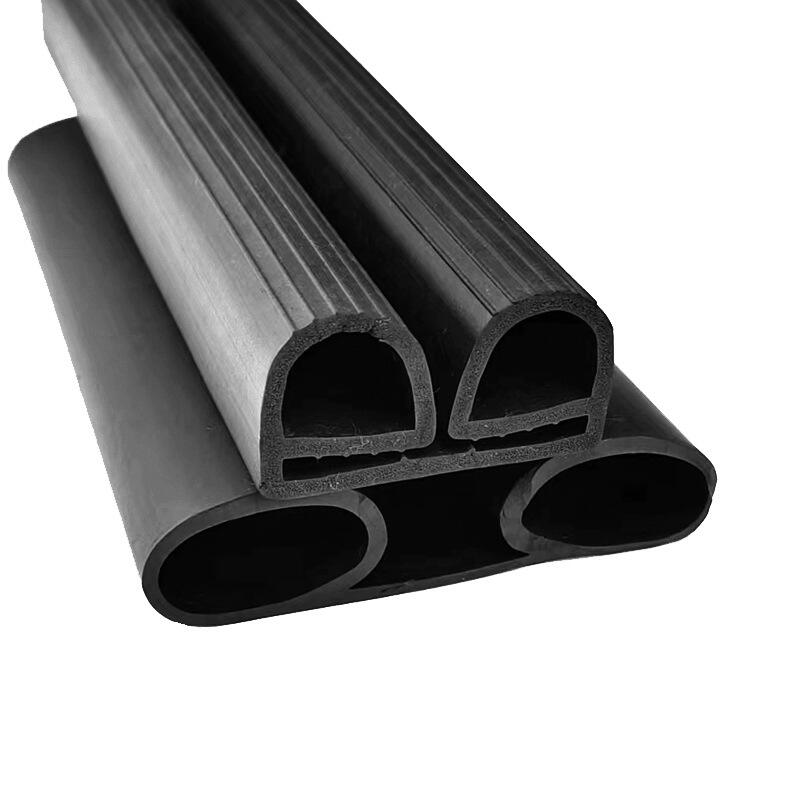
Industrial automation and robotics have revolutionized manufacturing processes, but with advanced machinery comes the critical need for comprehensive safety systems. Among the most essential components in modern industrial safety protocols is the safety collision switch, a specialized device designed to prevent accidents and protect both equipment and personnel. These switches serve as the first line of defense in automated environments, particularly where mobile robots, AGVs, and other autonomous systems operate alongside human workers.
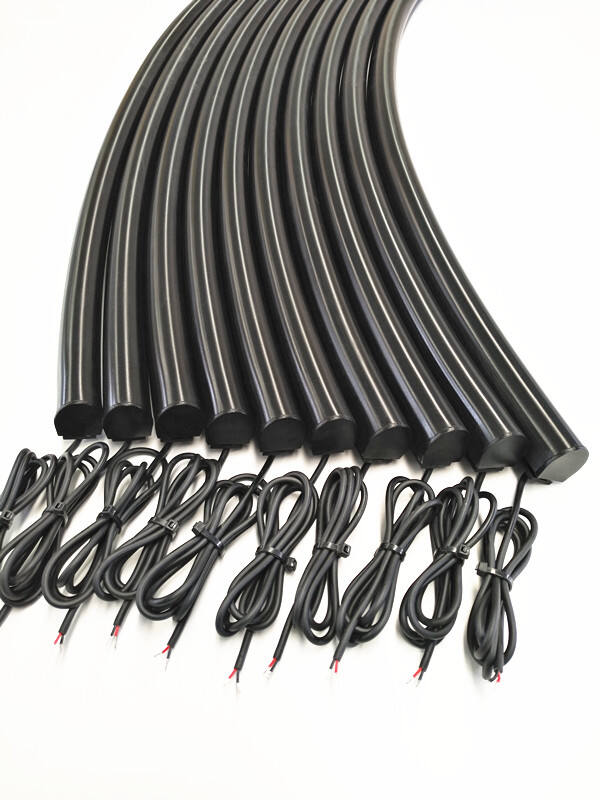
The implementation of collision avoidance technology has become increasingly sophisticated as industries demand higher levels of automation without compromising worker safety. Safety collision switches represent a mature technology that combines reliability with cost-effectiveness, making them indispensable in various industrial applications. Understanding their core functions and advantages enables facility managers and engineers to make informed decisions about integrating these critical safety components into their operations.
Core Functions of Safety Collision Switches
Primary Collision Detection Mechanism
The fundamental function of a safety collision switch centers on its ability to detect physical contact or proximity between moving equipment and obstacles. When activated, these switches immediately trigger predefined safety responses, such as stopping machinery or initiating emergency procedures. The detection mechanism typically relies on mechanical pressure activation, where physical contact with the switch's sensing element causes internal contacts to change state, sending an immediate signal to the control system.
Modern safety collision switches incorporate advanced sensing technologies that can differentiate between intentional contact and accidental collisions. This discrimination capability prevents false alarms while ensuring genuine safety threats are addressed promptly. The switches are calibrated to respond to specific force thresholds, ensuring they activate only when meaningful contact occurs, not from minor vibrations or environmental factors.
Emergency Stop Integration
Safety collision switches seamlessly integrate with emergency stop systems, creating a comprehensive safety network throughout industrial facilities. When a collision is detected, the switch can trigger multiple emergency responses simultaneously, including machinery shutdown, alarm activation, and notification systems. This integration ensures that safety incidents are addressed through multiple channels, reducing the likelihood of accidents escalating into serious injuries or equipment damage.
The emergency stop functionality extends beyond simple machinery shutdown to include coordinated responses across interconnected systems. For example, when a safety collision switch activates on an AGV system, it can simultaneously alert nearby equipment, activate warning lights, and initiate communication protocols to prevent chain-reaction incidents. This systematic approach to emergency response maximizes the protective value of each safety device.
Advantages in Industrial Applications
Enhanced Worker Safety
The primary advantage of implementing safety collision switches lies in their ability to significantly enhance worker safety in automated environments. These devices create protective barriers around dangerous machinery and mobile equipment, ensuring that human contact triggers immediate safety responses. Workers can operate with greater confidence knowing that multiple layers of protection are in place, reducing anxiety and improving overall workplace morale and productivity.
Statistical analysis of industrial accidents shows that facilities equipped with comprehensive collision detection systems, including safety collision switches, experience substantially lower rates of workplace injuries. The immediate response capability of these switches often prevents minor incidents from escalating into serious accidents, protecting workers from potential crushing, striking, or entanglement hazards commonly associated with automated equipment.
Equipment Protection and Longevity
Beyond personnel safety, safety collision switches provide significant advantages in protecting valuable industrial equipment from damage caused by uncontrolled collisions. Automated guided vehicles, robotic systems, and conveyor equipment represent substantial capital investments that require protection from accidental impacts. These switches act as electronic guardians, preventing costly damage that could result in extended downtime and expensive repairs.
The protection extends to both the primary equipment and surrounding infrastructure. When collision switches detect potential impacts, they can initiate controlled stopping sequences that minimize stress on mechanical components while preventing damage to walls, fixtures, and other installed equipment. This protective function translates directly into reduced maintenance costs and extended equipment lifecycles.
Technical Specifications and Performance
Activation Force and Response Time
Modern safety collision switches are engineered to operate within specific activation force parameters, typically ranging from 5 to 50 Newtons depending on the application requirements. This range ensures that the switches respond to meaningful contact while avoiding false activations from minor environmental factors. The precise calibration of activation forces allows engineers to customize the sensitivity based on the specific risks and operational characteristics of each installation.
Response time represents another critical performance parameter, with high-quality safety collision switches achieving activation times of less than 10 milliseconds from initial contact to signal transmission. This rapid response capability is essential in high-speed industrial environments where even brief delays could result in significant damage or injury. The combination of appropriate activation force and fast response time ensures optimal protection without interfering with normal operations.
Environmental Durability and Reliability
Industrial safety collision switches must withstand harsh environmental conditions while maintaining consistent performance over extended periods. These devices are typically rated for operation in temperature ranges from -40°C to +70°C, with protection ratings of IP65 or higher to resist dust, moisture, and chemical exposure. The robust construction ensures reliable operation in challenging industrial environments where traditional safety devices might fail.
Reliability testing demonstrates that quality safety collision switches can achieve operational lifecycles exceeding one million activation cycles without performance degradation. This durability makes them ideal for high-frequency applications where consistent performance is critical for maintaining safety standards. The long operational life reduces maintenance requirements and provides excellent return on investment for industrial safety systems.
Installation and Integration Benefits
Simplified Mounting and Configuration
One of the significant advantages of safety collision switches lies in their straightforward installation process, which minimizes implementation time and costs. Most switches feature standard mounting configurations that allow for easy integration with existing equipment without requiring extensive modifications. The plug-and-play nature of modern safety collision switches enables rapid deployment across multiple machines and systems.
Configuration flexibility allows engineers to adapt switch settings to match specific operational requirements without complex programming or specialized tools. Many models include adjustable sensitivity settings, output configurations, and diagnostic capabilities that can be modified using simple DIP switches or software interfaces. This adaptability ensures that safety collision switches can be optimized for various applications while maintaining ease of use for maintenance personnel.
Cost-Effective Safety Solution
Compared to alternative safety technologies such as laser scanners or vision systems, safety collision switches offer exceptional value for money while providing reliable protection. The initial investment required for collision switch implementation is typically a fraction of the cost associated with more sophisticated safety systems, making them accessible for businesses of all sizes. This cost advantage enables comprehensive safety coverage across entire facilities without straining equipment budgets.
The total cost of ownership remains favorable due to minimal maintenance requirements and extended operational life. Unlike complex electronic safety systems that may require regular calibration or software updates, safety collision switches operate reliably with basic periodic inspections. This low-maintenance characteristic reduces ongoing operational costs while ensuring consistent safety performance throughout their service life.
Applications Across Industries
Automated Guided Vehicle Systems
Automated guided vehicles represent one of the most common applications for safety collision switches, where these devices serve as essential components of comprehensive collision avoidance systems. AGVs operating in dynamic warehouse and manufacturing environments face constant challenges from obstacles, personnel, and other equipment. Safety collision switches provide immediate protection when other sensors fail or when unexpected obstacles appear in the vehicle's path.
The integration of safety collision switches with AGV navigation systems creates redundant safety layers that significantly improve operational reliability. When primary navigation sensors detect potential collisions, safety collision switches serve as backup protection, ensuring that physical contact triggers immediate stopping responses. This multi-layered approach to collision avoidance has become the industry standard for AGV safety systems.
Manufacturing and Assembly Lines
Manufacturing environments present numerous opportunities for implementing safety collision switches to protect workers and equipment. Assembly line robots, conveyor systems, and automated machinery benefit from collision detection capabilities that prevent accidents during normal operations and maintenance activities. These switches are particularly valuable in areas where workers must interact closely with automated equipment during setup, troubleshooting, or material handling tasks.
The versatility of safety collision switches allows for creative implementations that address specific manufacturing challenges. Edge-mounted switches can protect conveyor systems from overloading, while perimeter switches can create safe zones around dangerous machinery. This flexibility enables engineers to develop comprehensive safety solutions tailored to unique operational requirements and risk profiles.
Future Developments and Trends
Smart Connectivity and IoT Integration
The evolution of safety collision switches increasingly incorporates smart connectivity features that enable integration with Industrial Internet of Things networks. Modern switches can provide real-time status information, diagnostic data, and performance analytics through standard industrial communication protocols. This connectivity allows for predictive maintenance scheduling and centralized monitoring of safety system performance across entire facilities.
IoT integration enables advanced safety management capabilities, including remote configuration, performance trending, and automated reporting. Facility managers can monitor collision switch performance from centralized control rooms, receiving immediate notifications of any issues or activations. This enhanced visibility improves overall safety management while reducing the time and resources required for system maintenance and compliance reporting.
Enhanced Sensing Technologies
Ongoing technological advancement continues to improve the capabilities and performance of safety collision switches. New sensing technologies incorporate multiple detection methods within single devices, combining mechanical contact detection with proximity sensing and force measurement. These hybrid approaches provide more sophisticated collision detection while maintaining the reliability and simplicity that make collision switches attractive for industrial applications.
Advanced materials and manufacturing techniques are enabling the development of more compact and durable safety collision switches that can operate in increasingly challenging environments. Improved sealing technologies, corrosion-resistant materials, and enhanced mechanical designs extend operational life while reducing maintenance requirements. These improvements ensure that safety collision switches remain relevant and valuable as industrial automation continues to evolve.
FAQ
How do safety collision switches differ from standard limit switches
Safety collision switches are specifically designed and certified for safety applications, incorporating redundant contacts, forced-guided mechanisms, and compliance with international safety standards such as ISO 13849 and IEC 61508. While standard limit switches may detect position or contact, safety collision switches include additional features like self-monitoring capabilities and fail-safe operation modes that ensure reliable performance in critical safety applications. They also typically feature higher-quality construction materials and more rigorous testing requirements to meet safety certification standards.
What maintenance is required for safety collision switches
Safety collision switches require minimal maintenance but should undergo regular inspection according to manufacturer recommendations and safety regulations. Typical maintenance includes visual inspection for physical damage, cleaning of sensing surfaces, verification of mounting integrity, and functional testing to ensure proper activation and response. Most switches include diagnostic indicators or self-monitoring features that help identify potential issues before they affect safety performance. Maintenance schedules typically range from monthly visual inspections to annual comprehensive testing depending on the application environment and regulatory requirements.
Can safety collision switches be used in hazardous environments
Yes, specialized safety collision switches are available for hazardous environments including explosive atmospheres, extreme temperatures, and corrosive conditions. These switches feature appropriate certifications such as ATEX, IECEx, or UL approval for specific hazardous location classifications. Construction materials, sealing methods, and electrical designs are modified to meet the requirements of hazardous environment applications while maintaining safety performance. Selection of appropriate switches for hazardous environments requires careful consideration of specific environmental conditions and applicable safety standards.
What happens when a safety collision switch fails
Safety collision switches are designed with fail-safe principles that ensure safe operation even when component failures occur. Most switches include dual-channel outputs and self-monitoring capabilities that detect internal faults and signal the control system when problems arise. When failures are detected, the switch typically defaults to a safe state that triggers emergency stop conditions, preventing unsafe operation. Regular testing and maintenance help identify potential failures before they compromise safety, while redundant switch installations can provide backup protection for critical applications.