
 EN
EN
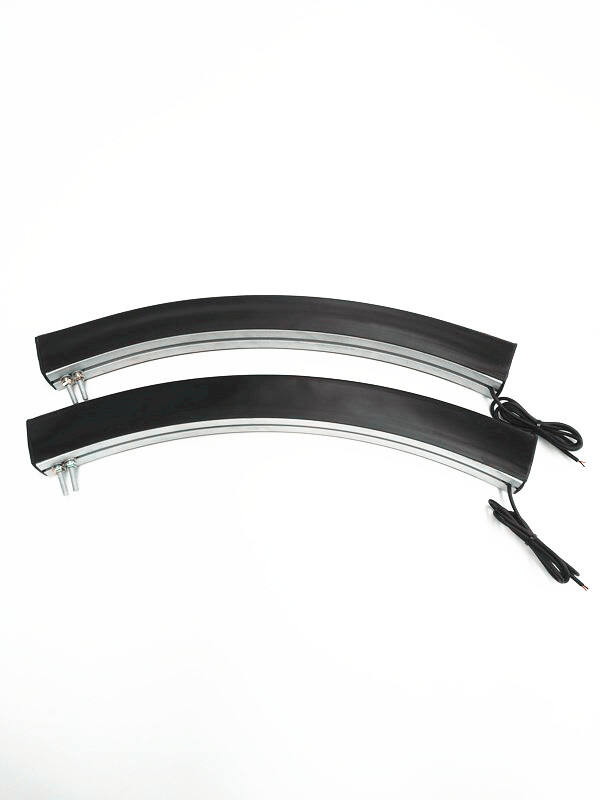
Industrial safety has become a paramount concern across manufacturing facilities, warehouses, and automated systems worldwide. Modern machinery operates at high speeds and with tremendous force, creating potential hazards for workers and equipment alike. Among the various safety devices available today, the pressure strip switch stands out as a critical component in preventing accidents and ensuring workplace safety. This innovative safety mechanism provides immediate response to contact or pressure, effectively shutting down operations when dangerous conditions arise. Understanding how these devices function and their applications can significantly enhance safety protocols in industrial environments.
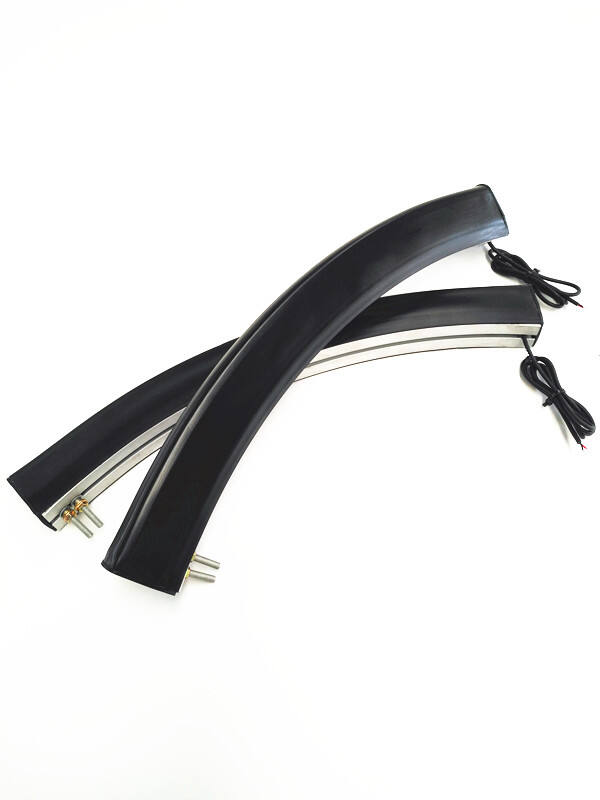
Understanding Pressure Strip Switch Technology
Basic Operating Principles
A pressure strip switch operates on a simple yet effective principle of contact detection and immediate response. The device consists of a flexible strip containing internal switching mechanisms that activate when pressure is applied to its surface. When an object or person comes into contact with the strip, the internal contacts close or open depending on the system configuration, sending an immediate signal to the control system. This instantaneous response capability makes the pressure strip switch an invaluable safety component in automated machinery and moving equipment.
The internal construction typically involves multiple layers including a protective outer housing, pressure-sensitive elements, and electrical contacts. The outer housing is designed to withstand industrial environments while maintaining sensitivity to contact pressure. Modern pressure strip switches incorporate advanced materials that provide consistent performance across varying temperature conditions and environmental factors. The electrical contacts are engineered to handle different voltage and current requirements depending on the specific application needs.
Types and Configurations
Different types of pressure strip switches are available to meet various industrial requirements. Edge-mounted switches are commonly installed along the edges of moving machinery such as elevator doors, conveyor systems, and automated gates. These switches provide comprehensive protection by detecting contact along the entire length of the moving edge. Surface-mounted variants offer protection for larger areas and can be integrated into floor surfaces, wall panels, or equipment housings.
Configuration options include normally open, normally closed, and changeover contact arrangements. The choice of configuration depends on the specific safety requirements and control system design. Some pressure strip switches feature adjustable sensitivity settings, allowing operators to customize the activation threshold based on the application environment. Advanced models incorporate LED indicators and diagnostic capabilities to provide visual feedback on system status and facilitate maintenance procedures.
Applications in Industrial Safety
Elevator and Lift Systems
Elevator safety represents one of the most critical applications for pressure strip switches. These devices are strategically installed along elevator door edges to prevent accidents during opening and closing operations. When passengers or objects obstruct the door path, the pressure strip switch immediately signals the control system to reverse door movement or halt operation entirely. This prevents crushing injuries and ensures passenger safety during elevator usage.
Modern elevator systems integrate multiple safety sensors including pressure strips at various locations. Door jamb installations provide protection against objects caught between closing doors, while threshold strips detect items on the elevator floor that might interfere with door operation. The integration of these safety systems with elevator control logic ensures smooth operation while maintaining the highest safety standards. Regular maintenance and testing of pressure strip switches in elevator applications are essential to ensure continued reliability and compliance with safety regulations.
Conveyor and Material Handling
Conveyor systems in manufacturing and distribution facilities pose significant safety risks due to their continuous operation and accessibility to workers. Pressure strip switches installed along conveyor edges provide immediate shutdown capability when workers accidentally come into contact with moving belts or rollers. This rapid response prevents serious injuries and reduces liability concerns for facility operators. The switches can be connected to emergency stop circuits that immediately halt conveyor operation upon activation.
Material handling equipment such as automated guided vehicles and robotic systems benefit significantly from pressure strip switch integration. These devices provide collision detection capabilities that protect both equipment and personnel. When a vehicle encounters an unexpected obstacle, the pressure strip triggers an immediate stop command, preventing damage and potential injuries. The switches can be integrated with vehicle navigation systems to provide enhanced safety protocols in busy industrial environments.
Installation and Maintenance Considerations
Proper Installation Techniques
Successful pressure strip switch installation requires careful planning and adherence to manufacturer specifications. The mounting surface must be clean, flat, and free from debris that could interfere with switch operation. Proper alignment is crucial to ensure consistent activation across the entire length of the strip. Installation hardware should be appropriate for the environmental conditions and mechanical stresses expected in the application.
Electrical connections must be made according to safety standards and local electrical codes. Proper grounding and shielding are essential to prevent electrical interference and ensure reliable operation. Cable routing should protect wiring from mechanical damage while allowing sufficient flexibility for equipment movement. Installation documentation should include wiring diagrams, activation force specifications, and testing procedures to facilitate future maintenance activities.
Routine Maintenance Protocols
Regular maintenance of pressure strip switches is essential to ensure continued safety performance and regulatory compliance. Visual inspections should be conducted to check for physical damage, wear, or contamination that could affect switch operation. The strip surface should be cleaned regularly to remove accumulated dirt, grease, or other substances that might interfere with activation sensitivity. Any signs of cracking, deformation, or deterioration require immediate attention and potential replacement.
Functional testing should be performed according to manufacturer recommendations and safety standards. This includes verification of activation force requirements, contact operation, and integration with safety control systems. Test records should be maintained to demonstrate compliance with safety regulations and identify trends that might indicate developing problems. Preventive replacement schedules should be established based on operating conditions and manufacturer recommendations to prevent unexpected failures.
Integration with Safety Control Systems
Safety Circuit Design
Effective integration of pressure strip switches requires proper safety circuit design that meets relevant safety standards such as ISO 13849 or IEC 62061. The switches should be connected to safety-rated control systems capable of processing emergency stop signals and implementing appropriate machine responses. Redundant contact configurations may be required for higher safety integrity levels, ensuring that single-point failures do not compromise safety functions.
Safety circuit design must consider the response time requirements for the specific application. Fast-acting machinery may require shorter response times, necessitating the use of safety controllers with rapid processing capabilities. The circuit should also incorporate monitoring functions to detect switch failures or wiring problems that could compromise safety performance. Regular testing of the complete safety circuit ensures continued effectiveness and compliance with safety standards.
Modern Safety System Integration
Contemporary industrial facilities increasingly utilize networked safety systems that integrate multiple safety devices into comprehensive monitoring and control platforms. Pressure strip switches can be connected to these systems through safety communication protocols, enabling centralized monitoring and diagnostic capabilities. This integration provides facility managers with real-time visibility into safety system status and helps identify potential issues before they result in accidents.
Advanced safety systems may incorporate machine learning algorithms that analyze pressure strip activation patterns to identify potential safety risks or equipment problems. This predictive approach allows for proactive maintenance and safety improvements based on actual operating data. Integration with facility management systems can provide automated reporting for safety compliance and help optimize maintenance schedules based on actual usage patterns.
Benefits and Cost Considerations
Safety and Liability Benefits
The primary benefit of pressure strip switch implementation is the significant reduction in workplace accidents and associated injuries. These devices provide immediate response to dangerous situations, often preventing serious injuries that could result in worker compensation claims, medical expenses, and lost productivity. The proactive nature of pressure strip switches helps facilities maintain excellent safety records and demonstrates commitment to worker protection.
Insurance companies often recognize facilities with comprehensive safety systems, potentially offering reduced premiums for businesses that implement proper safety measures. The documented presence of pressure strip switches and associated safety protocols can also provide legal protection in the event of accidents, demonstrating due diligence in workplace safety. This protection extends beyond immediate cost savings to include preservation of company reputation and employee morale.
Economic Impact Analysis
While pressure strip switches represent an initial investment, the long-term economic benefits typically justify the expense through reduced accident costs and improved operational efficiency. Preventing a single serious accident can save thousands of dollars in direct costs and even more in indirect expenses such as investigation time, equipment repair, and productivity losses. The switches also help facilities maintain continuous operation by preventing damage to expensive machinery and equipment.
Return on investment calculations should consider both direct accident prevention benefits and indirect advantages such as improved worker confidence and reduced insurance costs. Facilities with comprehensive safety systems often experience higher productivity due to worker confidence in equipment safety and reduced downtime from accidents. These factors combine to create a compelling business case for pressure strip switch implementation across various industrial applications.
FAQ
What is the typical lifespan of a pressure strip switch
The lifespan of a pressure strip switch varies depending on operating conditions, frequency of activation, and environmental factors. Under normal industrial conditions, quality switches typically operate reliably for 3-5 years with proper maintenance. Harsh environments or frequent activations may reduce this timeframe, while light-duty applications may extend operational life significantly. Regular inspection and testing help identify when replacement is necessary.
How do you test a pressure strip switch for proper operation
Testing involves applying specified pressure along the entire length of the switch while monitoring electrical contact operation. Use appropriate test equipment to verify contact closure or opening according to the switch configuration. Testing should be performed with the system in a safe state and following lockout/tagout procedures. Documentation of test results is essential for safety compliance and maintenance records.
Can pressure strip switches work in outdoor environments
Many pressure strip switches are designed for outdoor use with appropriate environmental ratings such as IP65 or IP67. These ratings indicate protection against dust and water ingress suitable for most outdoor conditions. However, extreme temperature variations, UV exposure, and chemical contamination may affect performance. Select switches with appropriate environmental certifications for specific outdoor applications.
What happens if a pressure strip switch fails
Properly designed safety systems incorporate monitoring circuits that detect switch failures and alert operators to potential problems. Depending on the safety system design, a switch failure may result in a fail-safe shutdown to ensure continued protection. Regular testing and maintenance help identify failing switches before complete failure occurs. Backup safety systems may be required for critical applications to maintain protection during switch replacement.