
 EN
EN
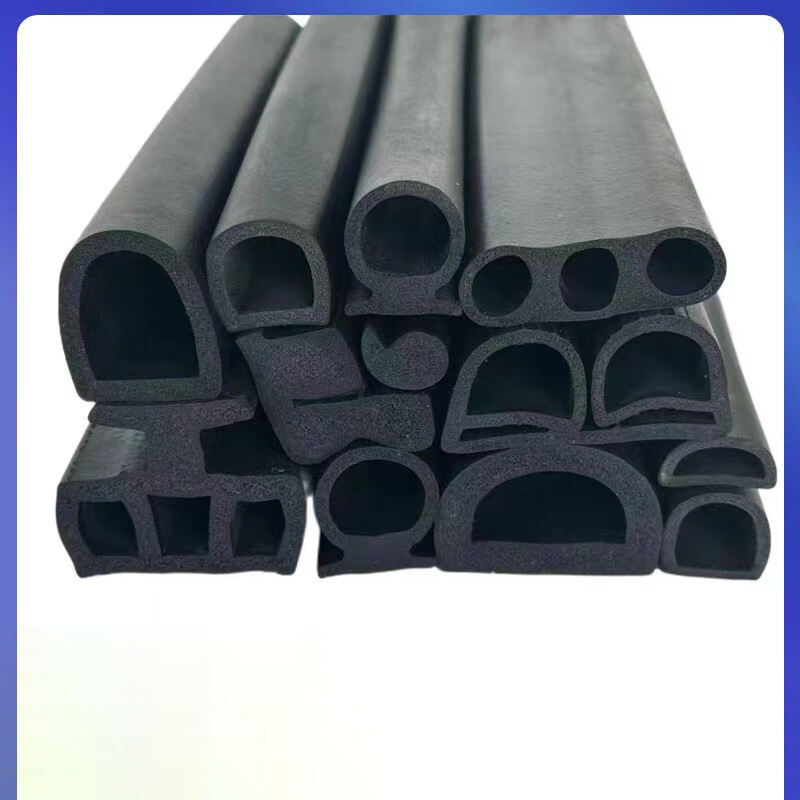
Industrial workplaces face numerous challenges when it comes to maintaining worker safety and comfort. Among the most effective solutions for addressing slip hazards, reducing fatigue, and enhancing overall workplace safety are safety floor mats. These specialized flooring solutions provide critical protection in manufacturing facilities, warehouses, laboratories, and other industrial environments where workers spend extended periods standing or walking on hard surfaces. Understanding the various types of safety floor mats and their applications is essential for creating a comprehensive workplace safety strategy.
The implementation of proper matting systems extends beyond simple comfort measures, representing a fundamental component of occupational health and safety protocols. Modern safety floor mats incorporate advanced materials and engineering principles to address multiple workplace hazards simultaneously. From anti-static properties in electronics manufacturing to chemical resistance in laboratories, today's safety matting solutions are designed to meet specific industry requirements while maintaining durability and cost-effectiveness.
Selecting the appropriate safety floor mats requires careful consideration of environmental factors, usage patterns, and specific safety requirements. The investment in quality matting systems typically yields significant returns through reduced workplace injuries, decreased insurance premiums, and improved worker productivity. This comprehensive guide explores the critical factors involved in choosing and implementing effective safety floor mat solutions for various industrial applications.
Understanding Different Types of Safety Floor Mats
Anti-Fatigue Mats for Standing Workstations
Anti-fatigue mats represent one of the most widely used categories of safety floor mats in industrial environments. These mats feature cushioned surfaces designed to reduce pressure on workers' feet, legs, and backs during prolonged standing periods. The ergonomic benefits of anti-fatigue matting include improved circulation, reduced muscle strain, and decreased risk of developing musculoskeletal disorders. Quality anti-fatigue mats typically incorporate foam cores or gel inserts that provide optimal support while maintaining surface stability.
The effectiveness of anti-fatigue safety floor mats depends largely on proper thickness and density specifications. Mats that are too soft can create instability and potential tripping hazards, while overly firm surfaces fail to provide adequate pressure relief. Industry standards recommend mat thickness between 3/8 inch and 5/8 inch for optimal ergonomic benefits. The surface texture should provide sufficient grip to prevent slipping while remaining comfortable for extended standing periods.
Installation considerations for anti-fatigue mats include proper sizing for workstation areas and secure placement to prevent mat movement during use. Beveled edges help reduce tripping hazards while maintaining the integrity of the matting system. Regular cleaning and maintenance protocols ensure continued effectiveness and longevity of anti-fatigue safety floor mats in demanding industrial environments.
Slip-Resistant and Wet Area Mats
Slip-resistant safety floor mats address one of the most common workplace hazards across various industries. These mats feature specialized surface textures and drainage systems designed to maintain traction even in wet or oily conditions. Advanced rubber compounds and innovative tread patterns provide superior grip while resisting degradation from exposure to chemicals, oils, and cleaning agents commonly found in industrial settings.
Wet area applications require safety floor mats with enhanced drainage capabilities to prevent water accumulation that could create additional slip hazards. Perforated designs and raised surface patterns channel liquids away from walking surfaces while maintaining structural integrity under heavy traffic conditions. The selection of appropriate drainage mats depends on the volume and type of liquids encountered in specific work environments.
Chemical resistance properties become particularly important when selecting slip-resistant mats for industrial applications involving harsh substances. Materials such as nitrile rubber and specialized polymer compounds offer superior resistance to oils, acids, bases, and solvents while maintaining their slip-resistant characteristics over extended service periods. Proper material selection ensures long-term performance and cost-effectiveness of safety matting investments.
Pressure-Sensitive Safety Switching Systems
Electronic Safety Mat Technology
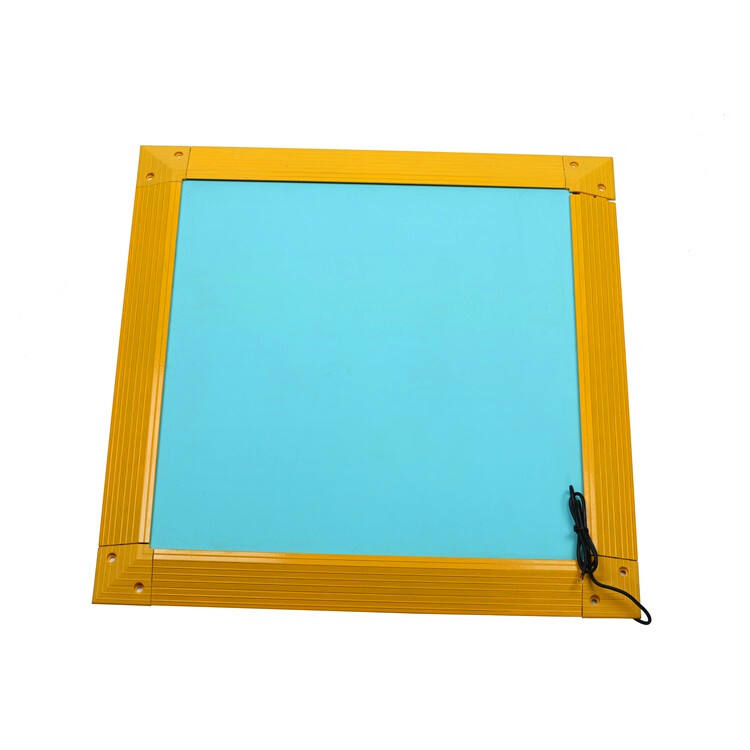
Pressure-sensitive safety floor mats represent an advanced category of industrial safety equipment that combines traditional matting benefits with electronic monitoring capabilities. These sophisticated systems detect the presence or absence of personnel in designated areas and can trigger automated safety responses such as machinery shutdown, alarm activation, or access control measures. The integration of sensing technology with floor mat design creates comprehensive safety solutions for high-risk industrial environments.
The electronic components within pressure-sensitive safety mats typically utilize switch-based sensing mechanisms that activate when sufficient pressure is applied to the mat surface. These systems can be configured to respond to various pressure thresholds, allowing customization based on specific safety requirements and operational parameters. Advanced models incorporate multiple sensing zones within a single mat, providing precise location detection and enhanced safety monitoring capabilities.
Installation of electronic safety floor mats requires careful integration with existing safety systems and compliance with relevant industrial safety standards. Proper wiring, signal transmission protocols, and fail-safe mechanisms ensure reliable operation in demanding industrial environments. Regular testing and calibration procedures maintain system accuracy and response reliability throughout the operational lifespan of the equipment.
Anti-Static and ESD Protection Mats
Electrostatic discharge protection represents a critical safety consideration in electronics manufacturing, pharmaceutical production, and other sensitive industrial environments. Anti-static safety floor mats incorporate conductive materials that safely dissipate static electricity, preventing damage to sensitive equipment and reducing fire or explosion risks in environments with flammable materials. These specialized mats maintain consistent electrical properties while providing standard safety mat benefits such as slip resistance and comfort.
The effectiveness of anti-static safety floor mats depends on proper grounding connections and regular electrical testing to ensure continued conductivity. Surface resistance measurements must fall within specified ranges to provide adequate ESD protection while preventing electrical shock hazards to personnel. Quality anti-static mats feature durable conductive pathways that resist wear and contamination from industrial processes.
Maintenance protocols for anti-static safety floor mats include regular cleaning with appropriate conductive cleaning solutions and periodic electrical testing to verify continued effectiveness. Contamination from oils, dust, or other substances can compromise the electrical properties of these mats, necessitating specific cleaning procedures to maintain proper functionality. Documentation of electrical testing results ensures compliance with industry standards and regulatory requirements.
Material Selection and Durability Considerations
Rubber Compound Technologies
Modern safety floor mats utilize advanced rubber compound formulations to achieve optimal performance characteristics for specific industrial applications. Natural rubber provides excellent flexibility and comfort but may lack the chemical resistance required for harsh industrial environments. Synthetic rubber compounds such as nitrile, neoprene, and EPDM offer superior resistance to oils, chemicals, and extreme temperatures while maintaining the physical properties necessary for effective safety matting.
The selection of appropriate rubber compounds directly impacts the longevity and performance of safety floor mats in demanding applications. Shore hardness ratings indicate the firmness of rubber materials, with softer compounds providing greater comfort but potentially reduced durability under heavy traffic conditions. Balancing comfort, durability, and specific resistance properties requires careful evaluation of operational requirements and environmental conditions.
Advanced rubber formulations incorporate reinforcing materials such as fabric backing or internal reinforcement layers that enhance structural integrity without compromising flexibility. These composite constructions provide superior tear resistance and dimensional stability, extending the service life of safety floor mats in high-traffic industrial environments. Quality manufacturers provide detailed specifications regarding material properties and expected performance characteristics under various operating conditions.
Surface Texture and Design Features
The surface texture of safety floor mats plays a crucial role in providing effective slip resistance while maintaining comfort for workers. Diamond plate patterns, raised circles, and directional treads each offer specific advantages depending on the type of contaminants and traffic patterns encountered in particular applications. The depth and spacing of surface textures must provide adequate grip without creating cleaning difficulties or debris accumulation points.
Beveled edges represent a critical design feature that reduces tripping hazards while maintaining the integrity of safety floor mat installations. Quality edge designs provide smooth transitions between mat surfaces and adjacent flooring while resisting damage from foot traffic and material handling equipment. Some applications benefit from interlocking edge systems that allow multiple mats to be connected securely without gaps or overlaps that could create safety hazards.
Color coding and visual identification features enhance the effectiveness of safety floor mat systems by providing clear delineation of designated areas and safety zones. High-visibility colors and reflective elements improve awareness in low-light conditions, while contrasting borders help define mat boundaries and prevent accidental stepping off protected areas. The selection of appropriate colors should consider both safety requirements and aesthetic considerations within the overall workplace environment.
Installation and Maintenance Best Practices
Proper Sizing and Placement Strategies
Effective implementation of safety floor mats requires careful consideration of sizing and placement to maximize safety benefits while minimizing installation and maintenance costs. Mat dimensions should provide adequate coverage for designated work areas while avoiding excessive overlap with adjacent surfaces that could create tripping hazards. Standard sizing options accommodate most industrial applications, while custom fabrication services address unique space requirements and irregular floor layouts.
Traffic flow patterns significantly influence the optimal placement of safety floor mats within industrial facilities. High-traffic areas require more durable materials and secure anchoring systems to prevent mat displacement during normal operations. Strategic placement at entry points, workstation perimeters, and transition areas between different flooring surfaces maximizes the effectiveness of safety matting investments while addressing the most critical hazard points.
Environmental factors such as temperature variations, moisture levels, and chemical exposures affect the performance and longevity of safety floor mats. Proper site assessment before installation ensures selection of appropriate materials and installation methods that will maintain effectiveness throughout the expected service life. Documentation of installation specifications and environmental conditions supports warranty coverage and facilitates future maintenance planning.
Cleaning and Maintenance Protocols
Regular cleaning and maintenance programs are essential for maintaining the effectiveness and appearance of safety floor mats throughout their service life. Different mat materials require specific cleaning procedures to avoid damage while ensuring removal of contaminants that could compromise safety performance. Standard cleaning protocols typically involve daily sweeping or vacuuming followed by periodic washing with appropriate cleaning solutions.
Chemical compatibility must be considered when selecting cleaning agents for safety floor mats, particularly those with specialized properties such as anti-static or oil resistance. Harsh chemicals or inappropriate cleaning methods can degrade mat materials, compromise safety features, or void manufacturer warranties. Establishing written cleaning procedures ensures consistent maintenance practices and helps identify potential issues before they affect mat performance.
Inspection schedules should include regular assessment of mat condition, edge integrity, and surface wear patterns that could indicate the need for replacement or repositioning. Early identification of wear issues allows for proactive maintenance that extends mat life and maintains consistent safety performance. Documentation of inspection results supports warranty claims and helps optimize replacement schedules based on actual usage patterns and wear rates.
Cost-Benefit Analysis and ROI Considerations
Initial Investment vs Long-term Savings
The financial justification for safety floor mat investments extends beyond initial purchase costs to include significant long-term savings through reduced workplace injuries, lower insurance premiums, and improved worker productivity. Workplace injury costs can easily exceed thousands of dollars per incident when considering medical expenses, workers compensation claims, lost productivity, and potential regulatory fines. Quality safety floor mats represent a proactive investment that can prevent costly incidents while demonstrating commitment to worker safety.
Insurance providers often recognize the risk reduction benefits of comprehensive safety matting programs through reduced premiums or favorable policy terms. Documentation of safety improvements and injury reduction statistics can support negotiations for better insurance rates, creating ongoing financial benefits that continue throughout the policy period. The cumulative savings from reduced insurance costs can significantly offset the initial investment in quality safety floor mats.
Worker productivity improvements result from reduced fatigue, increased comfort, and enhanced confidence in workplace safety measures. Studies indicate that ergonomic improvements, including the use of anti-fatigue matting, can increase productivity by reducing the physical stress that leads to decreased concentration and increased error rates. The economic value of productivity improvements often justifies safety mat investments even before considering injury prevention benefits.
Lifecycle Cost Evaluation
Total cost of ownership calculations for safety floor mats must include acquisition costs, installation expenses, ongoing maintenance requirements, and eventual replacement costs over the expected service life. High-quality mats typically command premium prices but offer superior durability and performance that reduces long-term costs through extended service life and reduced maintenance requirements. Comparing lifecycle costs rather than initial prices provides a more accurate assessment of true economic value.
Replacement frequency depends on factors such as traffic volume, environmental conditions, and maintenance practices that affect the rate of mat deterioration. Quality manufacturers provide guidance regarding expected service life under various operating conditions, allowing for accurate budgeting and replacement planning. Tracking actual replacement cycles helps optimize future purchases and identify opportunities for improved maintenance practices.
Energy costs associated with safety floor mat systems include considerations such as heating requirements for cold environments and cleaning costs for maintenance procedures. Some advanced mat designs incorporate features that reduce energy consumption or simplify maintenance procedures, providing additional long-term cost benefits. Environmental impact considerations may also influence total cost calculations when sustainability factors are included in procurement decisions.
FAQ
How do I determine the right thickness for anti-fatigue safety floor mats?
The optimal thickness for anti-fatigue safety floor mats typically ranges from 3/8 inch to 5/8 inch, depending on the specific application and user requirements. Thinner mats (3/8 inch) work well for areas with occasional standing, while thicker mats (5/8 inch) provide better comfort for prolonged standing applications. Consider factors such as worker height, existing footwear, and the hardness of the underlying surface when selecting thickness. Excessively thick mats can create instability and tripping hazards, while mats that are too thin fail to provide adequate ergonomic benefits.
What maintenance schedule should I follow for pressure-sensitive safety mats?
Pressure-sensitive safety mats require daily visual inspections to check for damage, debris accumulation, and proper positioning. Weekly testing of electronic functions ensures reliable operation of switching mechanisms and alarm systems. Monthly detailed inspections should include electrical continuity testing, cleaning of sensing components, and verification of proper grounding connections. Annual professional inspections and calibration help maintain compliance with safety standards and manufacturer specifications. Document all maintenance activities to support warranty coverage and regulatory compliance requirements.
Can safety floor mats be used in areas with heavy machinery traffic?
Yes, but special considerations apply when using safety floor mats in areas with heavy machinery traffic. Select mats specifically rated for industrial vehicle loads and impact resistance. Reinforced rubber compounds and steel-plate backing provide enhanced durability for forklift and equipment traffic. Ensure proper anchoring or recessed installation to prevent mat displacement under load. Consider modular designs that allow replacement of individual sections rather than entire mat systems when damage occurs. Some applications may require specialized industrial-grade mats designed specifically for heavy equipment environments.
How do I ensure compliance with electrical safety standards for anti-static mats?
Compliance with electrical safety standards for anti-static mats requires regular electrical testing using appropriate test equipment to verify surface resistance within specified ranges (typically 1x10^6 to 1x10^9 ohms). Establish proper grounding connections using manufacturer-approved grounding cords and connection points. Maintain documentation of all electrical test results and calibration certificates for test equipment. Train personnel on proper usage procedures, including wearing appropriate footwear and avoiding contamination of mat surfaces. Consult relevant standards such as ESD S20.20 or IEC 61340 series for specific requirements applicable to your industry and application.
Table of Contents
- Understanding Different Types of Safety Floor Mats
- Pressure-Sensitive Safety Switching Systems
- Material Selection and Durability Considerations
- Installation and Maintenance Best Practices
- Cost-Benefit Analysis and ROI Considerations
-
FAQ
- How do I determine the right thickness for anti-fatigue safety floor mats?
- What maintenance schedule should I follow for pressure-sensitive safety mats?
- Can safety floor mats be used in areas with heavy machinery traffic?
- How do I ensure compliance with electrical safety standards for anti-static mats?